Subaru Europe EV Transition Strategy: Ending Gas Cars by 2027
Subaru Europe EV transition forces an exit from gas cars by 2027. Discover how strict EU emission rules and software shifts drive niche automaker strategy.
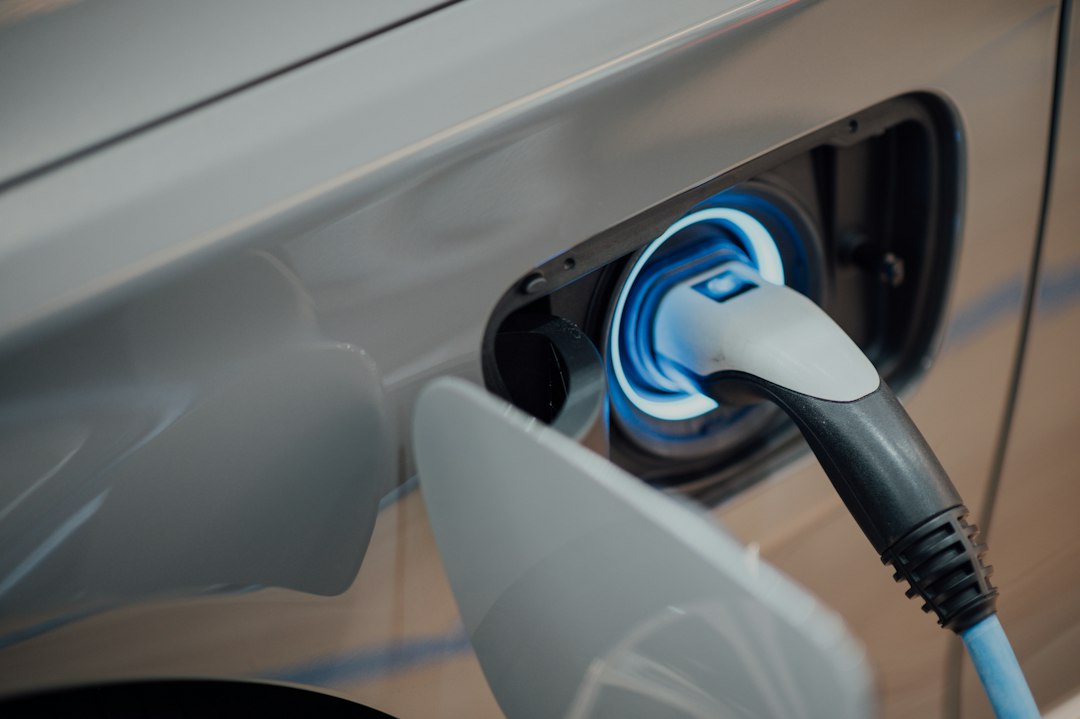
Subaru has announced a complete pivot in its European operations, confirming plans to phase out all internal combustion engine vehicles in favor of an entirely electric lineup by the end of 2027. Driven by stringent European Union emissions targets and new safety electronics requirements, the Japanese automaker will consolidate its regional offerings around battery-electric models starting in 2028. This strategic withdrawal from gasoline powertrains highlights the growing pressure on low-volume, niche vehicle manufacturers operating within highly regulated international markets.
Regulatory Pressures Reshaping European Automotive Economics
The decision to retire gas-powered vehicles in Europe underscores the escalating financial burden of regulatory compliance for niche automakers. The European Union has enacted aggressive fleet emission rules, lowering the average target to 93.6 grams of carbon dioxide per kilometer for passenger cars between 2025 and 2034. This represents a 15 percent reduction compared to 2021 levels, creating severe penalty risks for companies whose product portfolios rely heavily on traditional internal combustion engines.
Compounding these environmental targets are sweeping active safety mandates. EU regulations dictate that all newly registered passenger vehicles must integrate sophisticated driver assist frameworks, including Advanced Driver Distraction Warning systems and enhanced automated emergency braking functions. For an OEM holding a modest 0.2 percent market share in the trade bloc—representing roughly 23,000 annual vehicle sales—the capital expenditure required to re-engineer aging internal combustion platforms to meet these technical standards cannot be amortized effectively.
Instead of devoting substantial engineering resources toward retrofitting legacy powertrains, Subaru is electing to shrink its regional footprint down to a compliant, zero-emission core. The move demonstrates how regulatory enforcement acts as a forcing function, accelerating the elimination of margin-thin gas models across Europe.
The Phase-Out Timeline and Cultural End of the Boxer Engine
The strategic retreat from internal combustion will unfold in distinct stages over the next two years, permanently retiring engine designs that defined the brand for decades:
- Late 2026: The venerable Outback wagon will be the first gas-powered model phased out of the European catalog.
- End of 2027: Discontinuation of remaining combustion-based crossover and sedan lines, including the Crosstrek, Forester, and Impreza.
- 2028 Onward: European sales will consist exclusively of three battery-electric vehicles: the Solterra, the E-Outback (marketed as the Trailseeker in North America), and the compact Uncharted.
This shift carries significant symbolic weight for brand enthusiasts. The fundamental identity of the brand was built around flat-four "boxer" internal combustion engines coupled with symmetrical all-wheel-drive hardware. Replacing these mechanical systems with electric drive units represents a fundamental break from legacy engineering traditions. However, the commercial reality of operating in Europe leaves virtually no space for low-volume mechanical architectures that cannot meet net-zero trajectory guidelines.
Shared Architectures Versus Bespoke Electric Engineering
To navigate the initial phase of its electric transformation, Subaru relied heavily on corporate partnerships. The company’s near-term EV portfolio in Europe—comprising the Solterra, E-Outback, and Uncharted—is built upon shared vehicle platforms co-developed with Toyota. These models leverage established architectures like Toyota's bZ series to minimize initial research, development, and tooling overhead.
Transitioning to Proprietary Powertrains
While collaborative platforms provided a swift entry point into the battery-electric sector, long-term brand differentiation requires proprietary control over key technologies. Subaru has confirmed that its next generation of electric vehicles will move away from shared foundations in favor of internally developed hardware.
This bespoke electric vehicle platform will incorporate proprietary motor designs, custom battery pack integration, and tailored power electronics. By taking control of the physical drive components, engineering teams aim to replicate the distinct driving feel, low center of gravity, and rugged off-road capabilities that historically set their combustion vehicles apart from mass-market competitors.
The Rise of Software-Defined Architectures and Control Units
Beyond mechanical hardware, the transition to electric powertrains requires a total overhaul of internal vehicle electronics. Legacy automobiles traditionally utilized dozens of isolated Electronic Control Units (ECUs) scattered throughout the chassis, each dedicated to a single task such as braking, steering, or engine management. Modern electric vehicles, by contrast, rely on centralized domain controllers.
Subaru’s upcoming in-house platform will feature a consolidated compute architecture designed explicitly as a software-defined vehicle platform. Centralizing management of the electric motor, battery thermal dynamics, and cabin systems allows for robust over-the-air updates. This capability enables the manufacturer to modify drive parameters, refine power distribution, and deploy safety patches long after a vehicle leaves the dealership floor.
For a small automaker, developing an integrated software stack is a capital-intensive undertaking. However, maintaining control over the vehicle software ecosystem is essential to offering modern driver-assistance features and meeting regional cyber-security and distraction-monitoring compliance standards.
Outlook: What to Watch in Niche Electrification
Subaru’s European pivot offers a template for how specialized, low-volume automotive brands will handle the global phase-out of fossil fuels. Industry analysts should track several critical metrics as this strategy unfolds:
- European Sales Retention: Observing whether brand loyalists accept battery-electric alternatives or migrate to competing manufacturers that retain hybrid options longer.
- North American Strategy Alignment: Evaluating whether strict regional emission rules in states following California's climate guidelines will force a similar acceleration of EV timelines outside Europe.
- In-House Technical Execution: Monitoring the rollout of the upcoming bespoke platform to assess whether proprietary battery and motor designs deliver sufficient operational efficiency and range to compete with larger automotive conglomerates.
As regulatory frameworks tighten worldwide, the trade-off between legacy mechanical heritage and software-driven electric efficiency will define the survival strategy for niche automakers.
Reporting reference: this briefing is TechWire’s independent analysis. Primary reporting was published by Engadget — read the source article.
Related analysis
BMW Urban Driver Assist to Challenge Tesla FSD in 2027
BMW urban driver assist launches in 2027 to rival Tesla FSD, introducing Level 2 city navigation while navigating strict European safety standards.
x86 Processor Evolution: How Legacy Trade-Offs Won
Explore the x86 processor evolution, from 1970s hardware choices to modern computing compatibility, explaining little-endianness and register design.

NSF Leadership Nomination Collapses Amid Science Policy Crisis
Senate pushback on the NSF leadership nomination highlights growing friction over federal science funding and academic research oversight.