Virtual Meeting Productivity: Key Insights From Meeting Science
Explore how organizational psychologists use data to boost virtual meeting productivity, reduce zoom fatigue, and improve remote workplace collaboration.
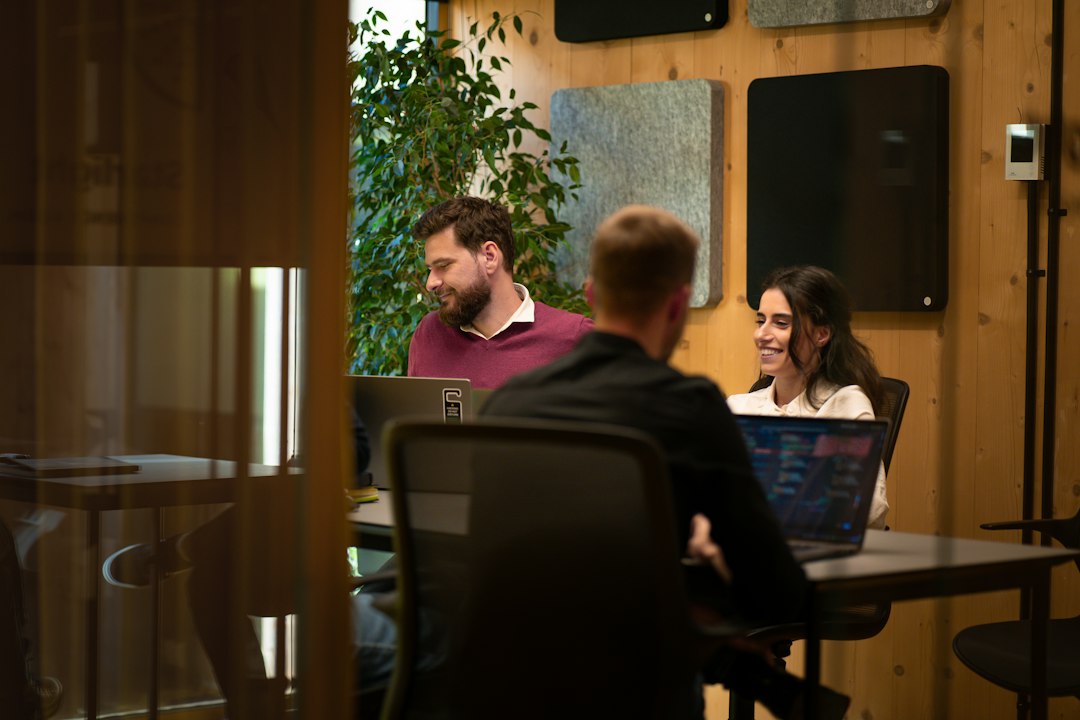
Data-driven organizational research is transforming enterprise collaboration by replacing habitual management routines with empirical performance metrics. As digital workplace software generates massive datasets on video interactions and calendar schedules, industrial psychologists are isolating the exact structural factors that drive or destroy virtual meeting productivity. Organizations that transition away from open-mic sessions toward structured, asynchronous-supported discussions report measurable gains in output and employee engagement.
The Rise of Empirical Workplace Analytics
For decades, workplace gatherings were treated as an unexamined cost of doing business. Managers scheduled sessions based on intuition, personal preference, or arbitrary recurring calendar slots. However, the widespread adoption of remote work and recorded cloud sessions has enabled organizational psychologists to study team communication at scale.
By evaluating thousands of hours of audio, video, and survey data, researchers can now correlate specific interactive behaviors with objective project outcomes. These findings reveal a stark divergence between how meeting leaders perceive session effectiveness and how non-managing attendees experience it. While executives often view frequent discussions as evidence of alignment, individual contributors frequently report that unstructured calls fracture deep-work windows and induce severe cognitive strain.
The Facilitator's Dilemma: Dominance versus Engagement
One of the clearest insights from recent organizational literature centers on the distribution of airtime. Session leaders naturally tend to speak for the majority of any given call. Because managers spend the most time talking, they consistently rate meetings as more successful than their subordinates do.
This dynamic creates several hidden operational risks:
- Suppression of critical feedback: When a facilitator controls the conversation, junior team members hesitate to raise objections or share alternative approaches.
- Attainable active listening collapse: Digital conferencing platforms encourage participants to stay on mute, which eliminates subtle non-verbal cues and reduces real-time reinforcement.
- False consensus bias: Silence from muted attendees is regularly misconstrued by leaders as unanimous agreement.
To counter these tendencies, organizational scientists recommend that leaders pivot from expressive talkers to analytical facilitators. Effective facilitators monitor talk-time balance, actively solicit input from quiet team members, and validate contributions with deliberate verbal feedback.
Modernizing Brainstorming: The Shift to Brainwriting
Traditional verbal brainstorming—where team members blurt out ideas as they occur—remains a staple of modern business culture. Yet research repeatedly demonstrates that this model favors dominant personalities and suppresses novel thinking through production blocking and evaluation apprehension.
To maximize virtual meeting productivity during creative phases, researchers advocate for silent brainstorming, often called brainwriting. In this model, participants spend the first ten to fifteen minutes of a session contributing ideas simultaneously to a shared cloud document or digital workspace without speaking.
Strategic Advantages of Silent Contribution
- Parallel generation: Every attendee writes at the same time, increasing total idea output by three to four times compared to sequential verbal turns.
- Reduced hierarchy bias: Submissions are reviewed based on merit rather than who presented them most persuasively.
- Lower cognitive barrier: Introverted staff can refine their thoughts before sharing, eliminating the anxiety of interrupting colleagues.
Once the silent phase concludes, the group shifts to verbal discussion to organize, evaluate, and prioritize the generated concepts.
Neurodiversity and Visual Exposure Strain
As organizations refine their remote work policies, the physiological impact of virtual interfaces has come under intense scrutiny. Fixed camera requirements during prolonged calls create high levels of fatigue, particularly for neurodivergent professionals, such as those with attention deficit hyperactivity disorder (ADHD).
Studies indicate that continuous self-monitoring on screen increases visual overload and emotional exhaustion. For neurodivergent employees, passive multitasking—such as taking side notes or manipulating tactile objects—frequently acts as a self-regulatory mechanism to sustain attention rather than a sign of disinterest. Furthermore, establishing explicit expectations, providing pre-read materials, and making camera usage optional during routine check-ins significantly lowers fatigue while preserving focus.
Operational Redesign: Curing Calendar Inflation
To prevent meeting load from degrading overall operational velocity, leading enterprises are adopting strict structural rules around internal calendars. Recurring status syncs are especially prone to function creep, often continuing long after their original project goals have been completed.
Recommended Framework for Enterprise Sessions
- Pre-Meeting: Distribute a clear agenda with target outcomes at least 24 hours in advance. Include a three-minute informal check-in window at the start to build social rapport.
- In-Session: Cap default durations at 25 or 50 minutes to guarantee buffer time. Enforce silent brainwriting for complex problem-solving.
- Post-Meeting: Immediately publish action items, explicit owner assignments, and measurable completion dates to shared communication channels.
Organizations that periodically purge recurring meetings force teams to evaluate whether information can be transferred asynchronously via shared document platforms or enterprise ticketing systems. When real-time syncs are preserved solely for multi-directional decision-making, overall productivity and employee satisfaction improve noticeably.
What to Watch Next in Workplace Tech
As artificial intelligence becomes embedded in communication platforms, the next evolution of meeting management will rely on automated analytics. Collaboration software vendors are actively integrating tools that provide post-session metrics on speaker distribution, emotional sentiment, and action-item extraction.
Over the coming quarters, enterprise buyers should monitor how these automated insights are integrated into management workflows. Companies that leverage objective analytics to streamline communications while prioritizing asynchronous documentation will achieve higher organizational agility and maintain a competitive edge in talent retention.
Reporting reference: this briefing is TechWire’s independent analysis. Primary reporting was published by Ars Technica — read the source article.
Related analysis
x86 Processor Evolution: How Legacy Trade-Offs Won
Explore the x86 processor evolution, from 1970s hardware choices to modern computing compatibility, explaining little-endianness and register design.

NSF Leadership Nomination Collapses Amid Science Policy Crisis
Senate pushback on the NSF leadership nomination highlights growing friction over federal science funding and academic research oversight.

TRMNL Frame: Full Color ePaper Display Canvas Debuts
An analysis of TRMNL Frame, a 31.5-inch full color ePaper display using Spectra 6 tech, custom color engines, and in-house manufacturing.