Vinyl Record Cleaning Methods: Audio Preservation Science
Explore the material chemistry and acoustics behind effective vinyl record cleaning methods to maximize sound fidelity and protect long-term media health.
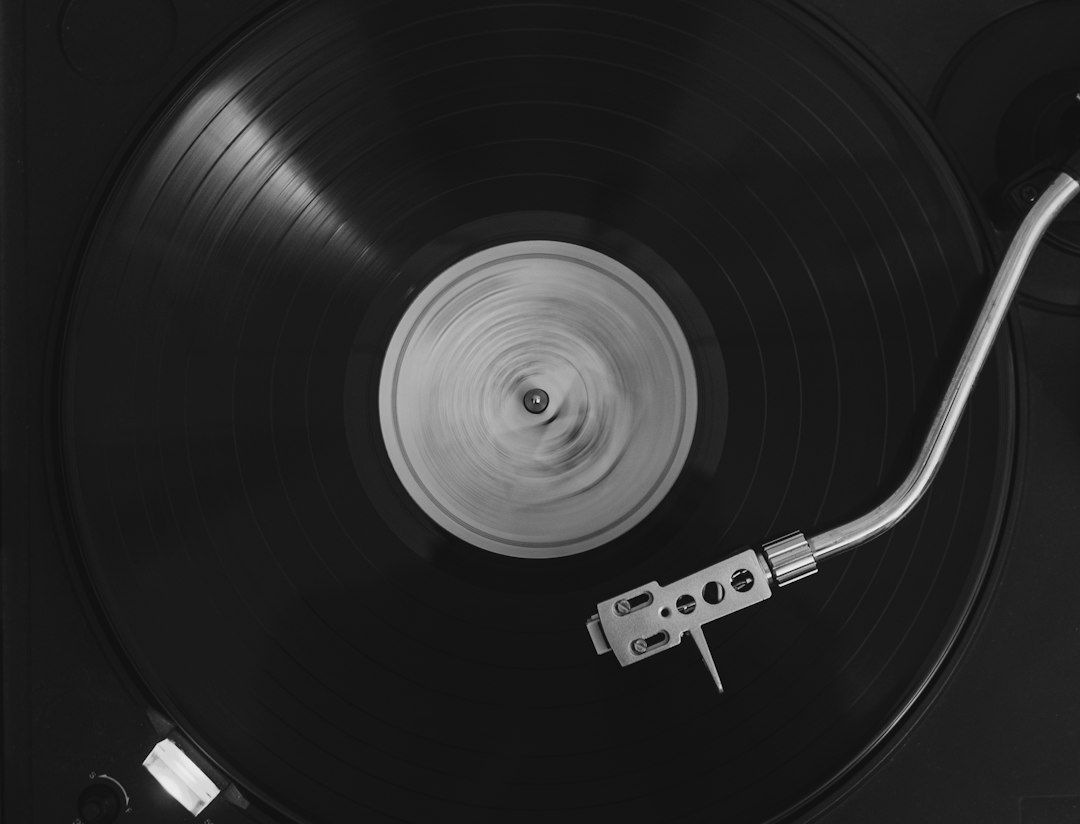
Optimizing vinyl record cleaning methods requires an understanding of groove acoustics, fluid dynamics, and polymer durability. Deep wet cleaning effectively removes embedded microscopic debris that dry carbon brushes leave behind, significantly lowering noise floors and extending media longevity. By applying balanced fluid mixtures of distilled water, alcohol, and surfactants—while strictly avoiding chemical solvents on vintage shellac pressings—audiophiles can preserve analog playback quality without damaging hardware.
The Physics of Micro-Groove Contamination and Playback Quality
To understand why analog care matters, one must examine the physical environment of a record groove. A standard micro-groove measures only tens of microns across. As the stylus—the miniature diamond point attached to the phono cartridge—traverses these undulating channels, it vibrates to recreate electrical audio signals.
When airborne dust, fingerprint oils, or atmospheric soot settle inside these channels, the stylus collides with the foreign matter. This mechanical impact produces high-frequency transient spikes, audible as distinct clicks and pops. Over time, the tracking pressure of the diamond point acts like a chisel, grinding granular dust into the groove walls and permanently degrading vinyl playback fidelity.
Dry sweeping tools like anti-static carbon fiber brushes are effective for removing loose surface dust prior to a playback session. However, dry wiping frequently generates electrostatic charges that attract more airborne debris. Furthermore, dry tools cannot dislodge particles bound to the walls by oils or ambient moisture. Achieving deep groove hygiene requires fluid transport to lift, suspend, and flush out contaminants.
Chemical Dynamics of Fluid Solutions: Isopropyl Alcohol and Surfactants
Wet record cleaning relies on solvent chemistry to break down organic oils without compromising the structural integrity of the disc. Liquid solutions must loosen particles without leaving chemical residues that interfere with stylus tracking.
Formulating Safe Cleaning Compounds
A standard homemade fluid consists of distilled water combined with isopropyl alcohol vinyl solutions. Distilled water is mandatory; tap water contains dissolved minerals such as calcium and magnesium, which crystallize inside the grooves upon drying and create severe surface noise.
- Distilled Water (Base): Serves as the primary liquid medium, ensuring zero mineral residue after evaporation.
- Isopropyl Alcohol (IPA): Functions as a degreasing solvent to dissolve fingerprints and grease. It should be diluted to a ratio of approximately one part alcohol to two or three parts distilled water to prevent material degradation.
- Surfactants: Water possesses high surface tension, causing it to bead up on smooth polyvinyl chloride (PVC) surfaces rather than entering narrow grooves. Adding a drop of pure, non-ionic surfactant or plain dish soap breaks this surface tension, allowing the solution to flow freely to the groove bottom.
The Shellac Exception
A critical distinction exists between modern PVC records and historical 78 RPM discs. Older 78 RPM records were manufactured using shellac, a natural resin binder secreted by lac bugs. Alcohol acts as a direct solvent for shellac. Applying an isopropyl alcohol mixture to a shellac record will dissolve its structural matrix, destroying the groove geometry almost instantly. Shellac media must only be treated with specialized alcohol-free enzymatic cleaners.
Manual Application vs. Dedicated Record Washer Machines
Applying cleaning solutions correctly is just as vital as selecting the right chemical components. Improper technique can ruin paper center labels or cause mechanical failure in playback equipment.
The Risks of Live Turntable Cleaning
Applying wet record cleaning fluid directly while a disc sits on an active turntable platter is strongly discouraged. The lateral downward pressure required to scrub grooves strains the turntable drive motor and wears out belt-drive systems. Furthermore, excess liquid can easily seep down the center spindle, leaking into sensitive motor housing bearings or damaging internal preamplifier circuits. Manual cleaning should always take place on a separate, padded, stationary surface or within a dedicated washing station.
Dedicated Washing Hardware
For collectors managing moderate to large media libraries, utilizing a dedicated record washer machine offers consistent mechanical results. Devices in the $80 to $125 price tier employ a narrow basin filled with a water and cleaning fluid mixture.
The record is suspended vertically on rollers and manually rotated between dual micro-fiber brushes. This setup provides two structural advantages:
- Dual-Sided Cleaning: Both sides of the disc are washed simultaneously under uniform brush pressure.
- Label Isolation: The fluid reservoir level is maintained below the paper label line, completely protecting fragile paper stock from moisture absorption.
Basin fluid must be replaced regularly. As grime builds up in the solution, continuing to wash records in cloudy fluid simply redistributes suspended particulate matter across subsequent discs.
Drying Protocols and Microfiber Maintenance
Cleaning fluid merely suspends contaminants; improper drying leaves those suspended solids back inside the micro-grooves. Drying protocols are critical to preserving the work done during the wet phase.
Utilizing Microfiber Materials
Only high-grade microfiber record maintenance cloths should be used for hand-drying analog media. Microfiber features split synthetic threads that grab suspended water droplets and fine debris without scratching soft vinyl surfaces. Paper towels, cotton rags, or shop wipes should never be used, as their coarse fibers shed cellulose dust and create microscopic scratches.
To preserve microfiber efficiency, follow specific washing guidelines:
- Air-Dry Microfiber: Never place microfiber towels into high-heat clothes dryers. High temperatures can melt the synthetic polyester tips, transforming soft fibers into hard, abrasive threads.
- Avoid Fabric Softeners: Liquid fabric softeners coat microfiber threads in a thin layer of hydrophobic wax, eliminating their ability to absorb fluid.
Following towel wiping, place discs onto a clean drying rack in a low-dust room. Discs must be 100% dry before being returned to paper or anti-static inner sleeves. Storing damp vinyl trapped in plastic or paper sleeves leads to mold growth, causing permanent acoustic damage.
Future Trends: Ultrasonic Technology and Archival Maintenance
As the revival of physical audio media matures, automated cleaning technology continues to move from professional archival preservation labs to the consumer market. Ultrasonic record cleaners utilize high-frequency sound waves transmitted through a fluid bath to produce microscopic cavitation bubbles. When these tiny bubbles implode against the vinyl, they generate localized pressure waves that gently strip away contaminants without physical brush friction.
While manual wet wiping and mechanical basin washers remain the most cost-effective vinyl record cleaning methods for everyday listeners, automated ultrasonic systems represent the ultimate path forward for serious archivists. Regardless of the chosen mechanical approach, pairing proper solvent chemistry with disciplined drying protocols ensures analog collections deliver pristine audio performance for decades to come.
Reporting reference: this briefing is TechWire’s independent analysis. Primary reporting was published by Engadget — read the source article.
Related analysis
x86 Processor Evolution: How Legacy Trade-Offs Won
Explore the x86 processor evolution, from 1970s hardware choices to modern computing compatibility, explaining little-endianness and register design.

NSF Leadership Nomination Collapses Amid Science Policy Crisis
Senate pushback on the NSF leadership nomination highlights growing friction over federal science funding and academic research oversight.

TRMNL Frame: Full Color ePaper Display Canvas Debuts
An analysis of TRMNL Frame, a 31.5-inch full color ePaper display using Spectra 6 tech, custom color engines, and in-house manufacturing.