Smart Indoor Garden Systems: Tech Analysis and Hardware Guide
An analysis of smart indoor garden systems, examining hydroponic hardware, AI automation, IoT security risks, and consumer subscription pricing models.
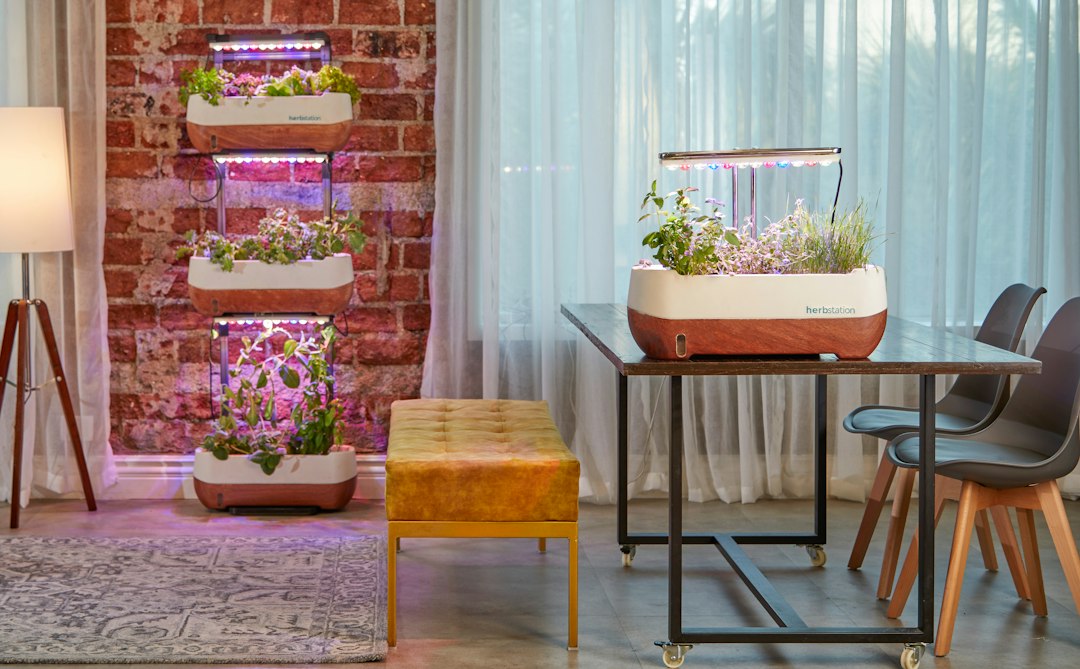
Smart indoor garden systems have evolved from niche DIY hydroponic setups into sophisticated consumer appliances that combine automated fluid delivery, full-spectrum LED lighting, and artificial intelligence. These devices allow consumers to cultivate fresh produce year-round within minimal square footage, though success relies heavily on the underlying hardware architecture, subscription ecosystem, and device security. Understanding the technical mechanics, economic realities, and network security risks of indoor hydroponics is essential for evaluating whether these smart appliances deliver long-term value.
Hydroponic Architecture and Indoor Automated Farming Tech
At their core, home hydroponic appliances replace traditional soil with nutrient-rich water solutions and inert growth substrates. The structural design of these platforms generally falls into two physical form factors: vertical pipe-based columns and modular stacked tier towers.
Substrates and Root Aeration Mechanics
The choice of growing medium significantly impacts pest management and plant viability. Synthetic or mineral-based substrates, such as rockwool (mineral wool), offer a sterile environment that is naturally resistant to common agricultural pests like fungus gnats and aphids. Conversely, pre-seeded plugs made from reconstituted organic peat present a higher risk of harboring insect eggs or fungal spores if not strictly quarantined during packaging.
Fluid delivery mechanisms also dictate plant health. Continuous ebb-and-flow or deep water culture (DWC) systems keep root systems submerged or regularly submerged in oxygenated water, whereas cascading vertical systems pump water to an elevated reservoir and allow gravity to stream nutrients over exposed roots. While cascading systems offer superior root aeration, they demand larger water reservoirs—often reaching up to 20 gallons—which makes physical maintenance and drainage cumbersome without specialized rolling bases or dedicated siphon pumps.
Spectral Lighting and Energy Requirements
Modern smart gardens rely on full-spectrum light-emitting diode (LED) arrays tailored to photosynthetically active radiation (PAR) wavebands. Front-mounted or central light bars provide uniform coverage, but spatial geometry determines crop height limits. Systems featuring adjustable or front-positioned light bars accommodate larger fruiting crops like tomatoes and brassicas, whereas enclosed horizontal shelves cap plant height, restricting cultivation primarily to leafy greens and low-profile herbs.
Software Automation, AI Assistants, and Smart Home Integration
The real differentiator between basic hydroponic kits and modern smart indoor garden systems is software automation. Embedded microcontrollers govern light cycles and pump timing, while cloud-connected software environments analyze environmental telemetry.
Large Language Models in Agronomy
Several premium platforms now integrate artificial intelligence into their companion applications. By utilizing camera sensors and computer vision, these systems monitor foliage growth, detect nutrient deficiencies, and prescribe precise maintenance routines. In many cases, these digital assistants utilize large language model (LLM) APIs—such as OpenAI's GPT architecture—with custom prompt engineering to convert telemetry data into actionable user instructions. The system alerts users when to prune, adjust pH levels, or replenish water reservoirs.
Connectivity and Automation Options
For consumers seeking to avoid recurring software fees, integration with third-party smart home standards offers an alternative. Utilizing smart plugs governed by custom routines (via Apple Home, Google Home, or Home Assistant) allows users to automate light and pump cycles without relying on proprietary cloud infrastructures. Features like automated "vacation modes" dynamically adjust lighting intensity and hydration frequency to slow plant metabolic rates, reducing water consumption while users are away.
Cybersecurity Vulnerabilities in Connected Home Appliances
As smart gardens gain onboard digital cameras, microphones, and Wi-Fi chipsets, they introduce the same cybersecurity risks native to the broader Internet of Things (IoT) landscape. Connected hardware deployed inside private residences creates potential attack vectors if firmware architecture lacks robust encryption and authentication controls.
Government cybersecurity organizations, including the US Cybersecurity and Infrastructure Security Agency (CISA), have issued formal advisories regarding unpatched vulnerabilities in internet-connected garden hardware. Security flaws in unencrypted device firmware can allow unauthorized remote actors to:
- Intercept local network traffic and gain access to user Wi-Fi credentials.
- Exfiltrate personally identifiable information (PII) stored within user app profiles.
- Hijack integrated optical sensors to capture unauthorized images of indoor living spaces.
Addressing these vulnerabilities requires proactive firmware management. Manufacturers must issue signed over-the-air (OTA) updates, while end users should isolate smart appliances on segregated guest VLANs and ensure devices remain updated to current patch baselines.
The Economics of Home Cultivation: Subscriptions vs. ROI
Evaluating the financial return on investment (ROI) for automated home farming requires looking past initial hardware acquisition costs to consider ongoing operating expenses.
| Cost Category | Direct-to-Consumer Model | Autonomous / Open-Source Model |
|---|---|---|
| Initial Hardware | High ($400 - $900+) | Moderate ($150 - $300) |
| Recurring Software | Monthly/Annual AI Subscription | Free / Open-Source Automation |
| Consumables | Proprietary Seed Pods ($2 - $4 per pod) | Generic Seeds & Bulk Rockwool |
| Electricity Load | 30W - 100W Continuous LED/Pump | 20W - 60W Scheduled LED/Pump |
Proprietary Pods vs. Open Hydroponics
Many smart garden manufacturers adopt a razor-and-blade business model. While initial hardware sales yield standard profit margins, recurring revenue is driven by proprietary seed pods, specialized nutrient packets, and mandatory software subscriptions. Subscriptions often bundle automated AI monitoring with monthly seed pod credits, creating lock-in within the vendor's ecosystem.
Conversely, open hydroponic platforms allow users to source bulk seeds, standard liquid fertilizers, and third-party growing media at a fraction of the cost. While open systems require more manual monitoring and basic horticultural knowledge, they eliminate recurring software fees and significantly reduce the cost per harvest.
In some regions, regulatory recognition has shifted the purchasing paradigm: select high-end smart garden systems now qualify for Health Savings Account (HSA) and Flexible Spending Account (FSA) reimbursements under preventative wellness initiatives, lowering out-of-pocket acquisition costs for eligible consumers.
Key Factors to Evaluate in Consumer Hydroponic Systems
Before selecting an indoor hydroponics platform, technical buyers should evaluate several structural and operational variables:
- Spatial Footprint and Form Factor: Determine whether a vertical column or horizontal countertop footprint fits the intended living space without obstructing ambient light.
- Substrate Sterility: Prefer sterile rockwool or coconut coir over unsterilized peat plugs to prevent indoor insect infestations.
- Network Dependency: Verify whether basic lighting and pump schedules function offline if cloud servers experience outages or if subscription tiers are canceled.
- Maintenance Ergonomics: Check reservoir capacity and ease of drainage; systems exceeding 10 gallons require dedicated siphons or wheeled dollies for routine cleaning.
- Firmware Support Lifecycle: Research manufacturer security track records and verify that automated OTA patches are regularly pushed to connected hardware.
Future Trends in Consumer Agricultural Hardware
The indoor smart gardening market is moving toward greater interoperability and localized intelligence. Expect next-generation systems to adopt unified smart home protocols like Matter over Thread, allowing local control without mandatory cloud dependencies. Simultaneously, edge AI processing will likely replace cloud-bound LLM API calls, allowing computer vision systems to process plant diagnostics directly on the device microchip—enhancing user privacy while maintaining intelligent plant care guidance.
Reporting reference: this briefing is TechWire’s independent analysis. Primary reporting was published by WIRED — read the source article.
Related analysis

x86 Processor Evolution: How Legacy Trade-Offs Won
Explore the x86 processor evolution, from 1970s hardware choices to modern computing compatibility, explaining little-endianness and register design.

NSF Leadership Nomination Collapses Amid Science Policy Crisis
Senate pushback on the NSF leadership nomination highlights growing friction over federal science funding and academic research oversight.

TRMNL Frame: Full Color ePaper Display Canvas Debuts
An analysis of TRMNL Frame, a 31.5-inch full color ePaper display using Spectra 6 tech, custom color engines, and in-house manufacturing.