Quest 3 3D Movies on Disney+ Challenge Apple Vision Pro
Meta introduces Quest 3 3D movies through Disney+, bringing affordable spatial cinema to mass-market headsets. Read our complete technical analysis.
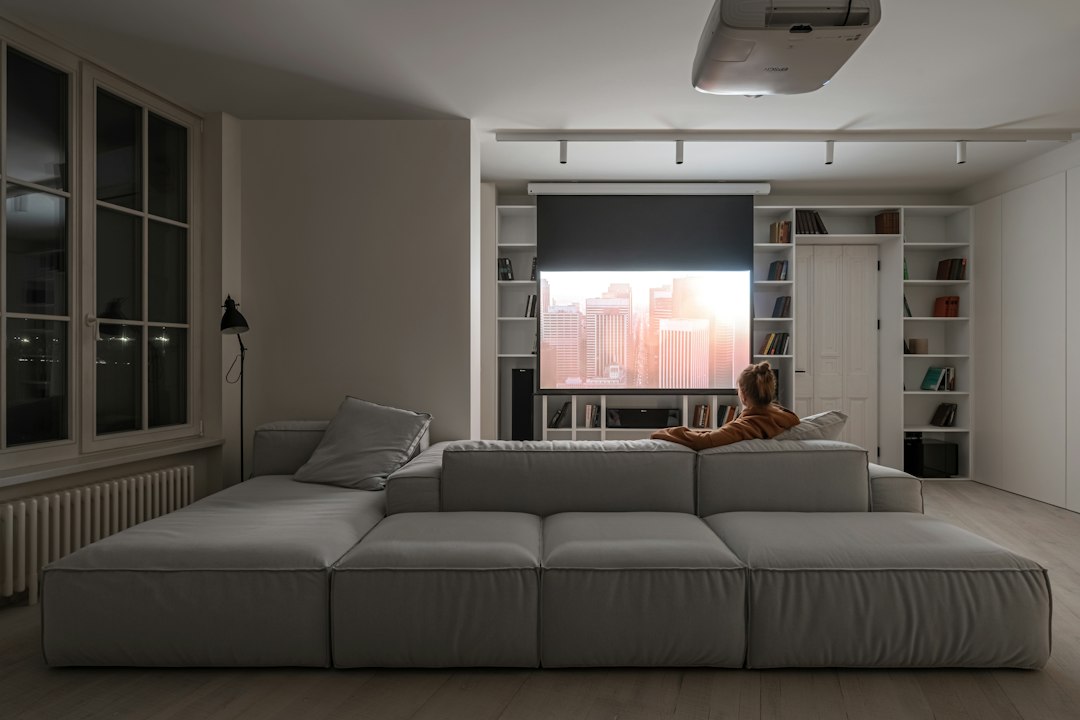
Meta has expanded the home entertainment capabilities of its Quest 3 and Quest 3S headsets by rolling out dedicated Disney+ integration featuring a library of stereoscopic feature films. By bringing high-definition spatial media to accessible price tiers, the social media giant is positioning its mid-range hardware as a direct alternative to high-end spatial computing platforms.
This distribution update offers existing head-mounted display owners a dedicated virtual theater environment alongside a selection of major studio releases. However, while the software expansion bridges a critical content gap, physical display constraints and processing requirements reveal the broader engineering compromises involved in low-cost virtual reality hardware.
The Resurgence of Stereoscopic Cinema in Spatial Computing
The decline of stereoscopic televisions in the mid-2010s left home cinema enthusiasts without a dedicated physical format for three-dimensional media. For years, dedicated virtual reality hobbyists relied on converting physical stereoscopic Blu-ray discs into specialized file formats to view them on local media players. That dynamic shifted when Apple introduced its spatial headset, elevating immersive film viewing into a cornerstone feature for premium head-mounted hardware.
By leveraging bright micro-displays, modern virtual reality devices resolve the primary flaw of legacy theater experiences: image dimming caused by passive or active shutter glasses. When a stereoscopic film renders inside a virtual environment, the optics project direct illumination into the user's eyes, preserving vibrant color space and luminance levels.
Meta’s partnership with streaming services democratizes this viewing format. Moving three-dimensional content delivery from experimental side-loading tools into an accessible streaming application allows mainstream consumers to experience home spatial cinema without investing in four-figure hardware setups.
Technical Trade-offs: LCD Panels versus Premium Spatial Displays
While software updates enable high-frame-rate playback and virtual environment customization, the hardware pipeline of entry-level and mid-range devices creates distinct visual limits.
- Panel Technology Constraints: The Quest 3 and Quest 3S utilize standard liquid crystal displays (LCD) without localized backlighting zones. Although the software layer can accept high-dynamic-range signals like Dolby Vision, the physical panels cannot achieve authentic deep black levels, resulting in reduced contrast during dark cinematic scenes.
- Acoustic Driver Limits: Integrated open-ear audio drivers prioritize convenience and ambient spatial orientation over low-frequency audio impact. For home theater immersion, external over-ear headphones are necessary to match the scale of the visual presentation.
- Optics and Brightness: Despite panel limitations, direct pancake lens output eliminates the heavy light loss inherent to physical movie theater projection systems, yielding superior clarity over traditional cinema 3D glasses.
These trade-offs illustrate how platform developers balance unit costs against display fidelity. While multi-thousand-dollar spatial computers employ custom organic light-emitting diode (OLED) micro-displays to achieve near-perfect dark states, mid-tier consumer hardware relies on software optimizations to maximize the visual quality of standard LCD arrays.
Silicon Requirements and Ecosystem Fragmentation
A notable strategic aspect of this software deployment is the exclusion of legacy hardware. The previous generation Quest 2, which established a massive consumer install base, does not support this new spatial media streaming application.
Rendering stereoscopic video in a virtual theater environment places substantial demands on spatial processing pipelines. The application must simultaneously decode high-bitrate dual-view video files, render interactive three-dimensional background environments, and maintain accurate head-tracking orientation without latency spikes. The Qualcomm Snapdragon XR2 Gen 2 processor inside the newer headset iteration provides dedicated decoding blocks and expanded GPU bandwidth necessary to run these concurrent background tasks.
Preventing frame drops during spatial video playback is essential for user comfort. Lower-tier mobile processors struggle to maintain synchronized high-frame-rate playback across two independent optical channels, which can trigger motion discomfort. Discontinuing feature support on legacy silicon protects user comfort standards across supported platforms.
Studio Strategy: Monetizing Archived 3D Assets
For major entertainment studios, delivering stereoscopic libraries to spatial computing platforms provides a lucrative opportunity to re-monetize legacy media archives.
Converting major motion pictures into three-dimensional formats during the 2010s required substantial post-production capital. Once those films finished their initial theatrical windows, the collapse of the consumer 3D television market effectively stalled home video revenue streams for stereoscopic masters.
Digital Archive Recovery
Spatial computing environments create a renewable distribution channel for pre-existing stereoscopic assets without requiring new production spending. Studios can re-license catalog titles to streaming partners, increasing the perceived value of subscription tiers while boosting user engagement.
Interactive Virtual Environments
By wrapping cinematic streams in themed three-dimensional environments, entertainment companies create branded virtual destinations. These ambient environments deepen consumer involvement beyond traditional flat-screen media streaming, turning routine movie viewing into an interactive platform showcase.
What to Watch Next in Virtual Entertainment
As spatial media consumption expands beyond early adopters, several key industry developments will dictate the growth of head-mounted cinema:
- Display Panel Upgrades: Watch whether future iterations of mid-tier hardware adopt Mini-LED or OLED screens to improve high-dynamic-range rendering capabilities.
- Streaming Platform Expansion: Track whether competing video services like Netflix, Amazon Prime Video, and YouTube deploy native stereoscopic streaming players to remain competitive with early spatial adopters.
- Standardized Spatial Video Formats: Observe how media organizations adopt open encoding standards, such as MV-HEVC, to streamline multi-view video compression across diverse hardware ecosystems.
Meta’s expansion of stereoscopic media options demonstrates that home spatial entertainment is shifting from an expensive technology demonstration into a standard consumer feature. The long-term commercial success of this format will depend on continuous hardware refinements and consistent studio commitment to spatial distribution.
Reporting reference: this briefing is TechWire’s independent analysis. Primary reporting was published by Engadget — read the source article.
Related analysis
x86 Processor Evolution: How Legacy Trade-Offs Won
Explore the x86 processor evolution, from 1970s hardware choices to modern computing compatibility, explaining little-endianness and register design.

NSF Leadership Nomination Collapses Amid Science Policy Crisis
Senate pushback on the NSF leadership nomination highlights growing friction over federal science funding and academic research oversight.

TRMNL Frame: Full Color ePaper Display Canvas Debuts
An analysis of TRMNL Frame, a 31.5-inch full color ePaper display using Spectra 6 tech, custom color engines, and in-house manufacturing.