NVIDIA Hardware Cargo Theft Exposes AI Supply Chain Risks
An $11.4 million NVIDIA hardware cargo theft highlights growing vulnerabilities in high-value AI infrastructure transit and logistics security.
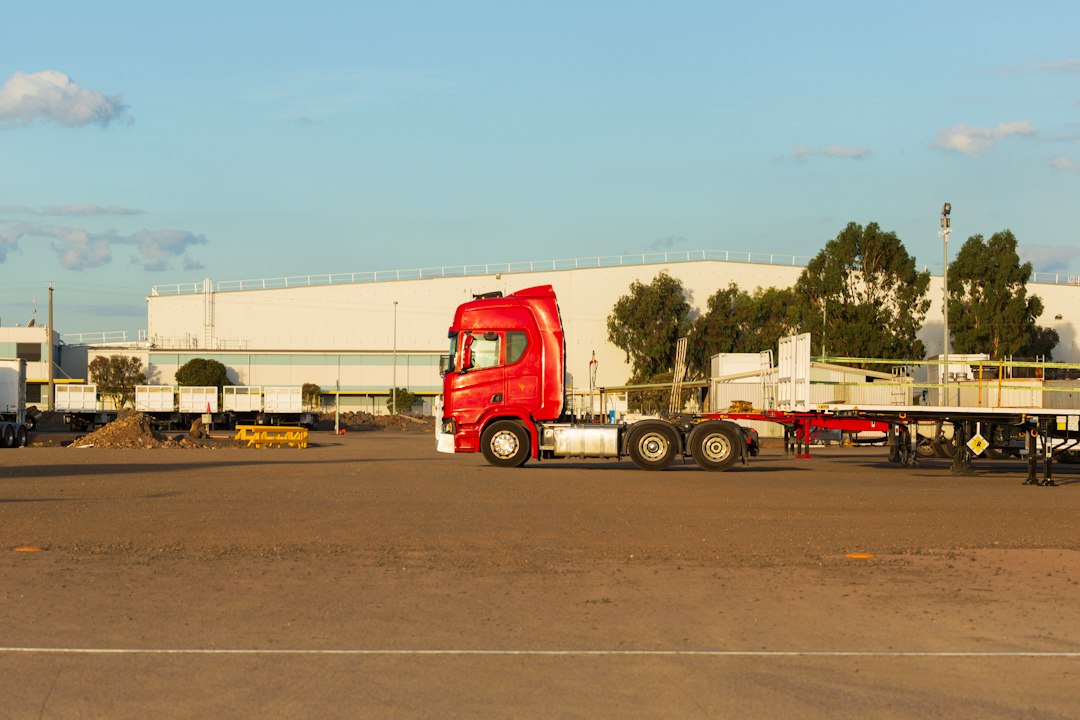
The reported disappearance of an estimated $11.4 million shipment of enterprise technology components moving from Northern California to Texas highlights a critical, under-examined vulnerability in the artificial intelligence supply chain. As market demand drives the value of advanced graphics processing units and datacenter servers to record levels, high-tech cargo has transformed into a primary target for organized logistics syndicates. Addressing this threat requires technological hardware manufacturers and freight operators to overhaul physical security protocols, transit verification systems, and supply chain visibility tools.
The Economics of High-Value Enterprise Silicon Theft
Modern artificial intelligence infrastructure relies on dense, highly specialized hardware systems. Advanced graphics processing units (GPUs), enterprise accelerators, and modular server enclosures pack extraordinary financial value into relatively small physical footprints. A single fully loaded server rack or modular compute chassis can easily command hundreds of thousands of dollars on the primary market, meaning a standard 53-foot freight trailer can transport tens of millions of dollars in silicon hardware.
This high ratio of financial value to physical volume makes microprocessors and enterprise compute nodes an attractive target for theft. Unlike raw industrial commodities or consumer packaged goods, enterprise hardware possesses several characteristics that exacerbate supply chain risk:
- High Market Density: Millions of dollars in hardware can be moved within a single commercial vehicle, maximizing the return for illicit interception.
- Liquid Grey Markets: High global demand for computing power creates ready channels for stolen components to be resold through unauthorized brokers or secondary refurbishers.
- Identifiable Packaging: Standardized corporate shipping enclosures and transit labeling often signal high-value contents to malicious actors operating near transit hubs.
When high-value components vanish during transit, the financial fallout extends far beyond the immediate value of the lost inventory. Delayed shipments can derail hyperscale datacenter deployment schedules, postpone critical enterprise software training runs, and force hardware vendors to absorb substantial replacement costs during constrained manufacturing cycles.
Physical and Digital Vulnerabilities in Tech Logistics
The loss of a multi-million-dollar technology load highlights persistent structural weaknesses in interstate freight operations. While digital cybersecurity receives immense attention across the technology industry, physical logistics networks frequently rely on legacy administrative practices that remain susceptible to exploitation.
Modern high-tech cargo crime increasingly relies on strategic freight fraud rather than traditional physical hijackings. Malicious actors frequently leverage compromised carrier credentials, identity theft, or falsified dispatch paperwork—a practice known as carrier impersonation—to intercept high-value freight directly at manufacturing facilities or logistics hubs. Once loaded, the cargo is redirected to unauthorized secondary locations where inventory can be offloaded before automated alerts trigger.
Furthermore, long-haul corridors like those connecting Northern California tech centers to major data center hubs in Texas involve mandatory driver rest periods, fuel stops, and vehicle transfers. Extended unmonitored dwell times create windows of exposure where tracking telemetry can be disabled or spoofed. If logistics providers rely solely on basic mobile phone updates or manual check-in calls rather than integrated chassis tracking, significant time can elapse before a missing load is officially identified.
Pattern Analysis: Northern California's Tech Corridor
Northern California serves as a primary assembly, testing, and staging ground for high-density computing systems before they are dispatched to massive datacenters across North America. The concentration of hardware staging facilities makes the region a focal point for cargo security operations.
Recent law enforcement activities across the San Francisco Bay Area—including high-value hardware burglaries in industrial hubs like Fremont and Union City—point to a sustained effort by sophisticated criminal groups targeting computing infrastructure. Tactics observed in regional incidents range from direct facility break-ins to sophisticated decoy operations, such as substituting real shipping containers with weighted ballast to delay detection during transit handoffs.
These developments indicate that enterprise hardware security can no longer be treated as a localized warehouse concern. Instead, security strategies must cover the entire transport lifecycle, bridging the gap between factory floor assembly and remote datacenter installation.
Key Risk Vectors in High-Tech Logistics
- Broker Verification Deficits: Insufficient identity verification during third-party freight matching allows bad actors to secure high-value loads.
- Telemetry Gaps: Reliance on single-point GPS trackers that can be identified and neutralized by bad actors during extended transit stops.
- Identifiable Transit Markings: External branding on trailers or shipping manifests that advertises high-density electronic cargo.
- Unsecured Staging Dwell Time: Extended periods where loaded trailers remain parked in unmonitored off-site staging yards prior to long-haul departure.
Commercial and Security Implications for AI Infrastructure
The ongoing expansion of artificial intelligence infrastructure depends heavily on reliable, predictable hardware deliveries. Hyperscale cloud providers, enterprise data centers, and research institutions operate under tight deployment schedules. When key silicon shipments are lost or delayed, the ripple effects degrade operational planning and capital deployment efficiency.
Insurance carriers covering high-tech supply chains are responding to these structural risks by tightening coverage requirements and raising premiums for high-value tech transit. Logistics providers transporting advanced hardware are increasingly required to demonstrate strict security compliance, including multi-driver teams, continuous route monitoring, and tamper-evident container locks.
Moreover, the security community must consider the long-term risk of untracked computing hardware entering unregulated channels. Enterprise silicon contains complex microcode and firmware; unmonitored custody changes raise theoretical concerns regarding hardware tampering or grey-market redistribution that bypasses standard export controls and compliance monitoring.
Supply Chain Security: What to Watch Next
As hardware values continue to scale alongside artificial intelligence investment, enterprise tech manufacturers and their logistics partners must adopt defense-in-depth strategies for physical transport. Over the coming quarters, industry analysts should monitor several critical security trends:
- Covert Sensor Deployment: Broad adoption of chassis-level, multi-sensor telematics hidden directly within hardware components, combining cellular, satellite, and Bluetooth tracking to counter GPS signal jamming.
- Cryptographic Freight Sign-Offs: Implementation of secure digital signatures and blockchain-based proof-of-delivery systems that verify driver identities at every transfer point.
- Blind Shipping Standards: Elimination of exterior corporate branding and explicit product descriptions on transport vehicles, bills of lading, and staging documentation.
- Dedicated Escort Protocols: Increased utilization of armed security escorts and continuous, real-time command center tracking for shipments exceeding specific valuation thresholds.
Ultimately, safeguarding the AI supply chain requires equal focus on digital resilience and physical logistics integrity. Until enterprise hardware transit adopts security standards equivalent to financial bullion or sensitive military components, high-value silicon will remain a target for organized cargo fraud.
Reporting reference: this briefing is TechWire’s independent analysis. Primary reporting was published by FreightWaves — read the source article.
Related analysis

x86 Processor Evolution: How Legacy Trade-Offs Won
Explore the x86 processor evolution, from 1970s hardware choices to modern computing compatibility, explaining little-endianness and register design.

NSF Leadership Nomination Collapses Amid Science Policy Crisis
Senate pushback on the NSF leadership nomination highlights growing friction over federal science funding and academic research oversight.

TRMNL Frame: Full Color ePaper Display Canvas Debuts
An analysis of TRMNL Frame, a 31.5-inch full color ePaper display using Spectra 6 tech, custom color engines, and in-house manufacturing.