iPhone Duo Supply Shortage Hits Apple Amid Rising Memory Costs
An analysis of the iPhone Duo supply shortage, driven by unprecedented RAM price surges and complex foldable display yields during Apple's fiscal Q4.
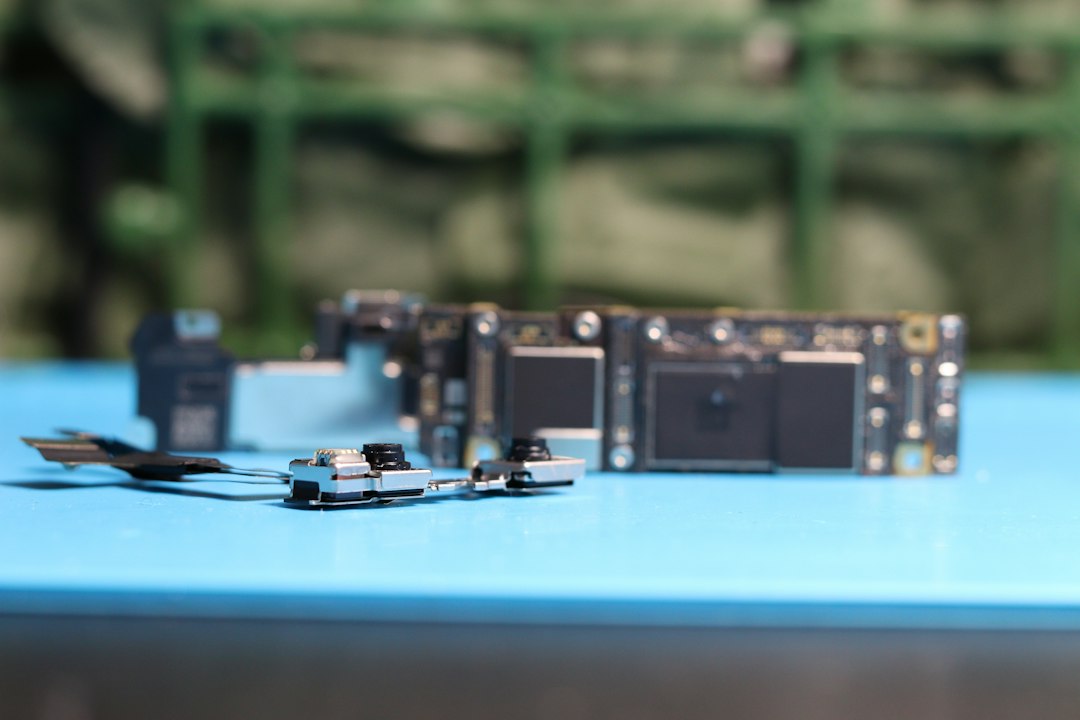
Apple faces immediate fulfillment friction following the debut of its first foldable hardware, with initial backlog projections stretching fulfillment windows well into the following calendar year. This persistent iPhone Duo supply shortage stems from a dual pressure point: intricate structural manufacturing requirements for flexible displays and sharp cost increases across global memory chip markets. Despite production constraints across its latest mobile lineup, high premium pricing has enabled strong top-line financial performance, signaling a broader strategic pivot to protect operating margins against hardware cost inflation.
The Dual Mechanics Behind Manufacturing Bottlenecks
The introduction of a double-screened form factor—featuring a 5.4-inch external display alongside a 7.6-inch folding internal workspace—introduces manufacturing complexity that traditional slate smartphones avoid. Assembling flexible organic light-emitting diode (OLED) panels alongside customized friction hinges requires tighter tolerance thresholds, directly suppressing early factory output efficiency.
When consumer preorders rapidly depleted initial launch stock, fulfillment estimates slid deep into subsequent quarters. Maintaining supply equilibrium becomes challenging when novel engineering processes clash with sudden demand spikes. Company leadership has acknowledged an inability to forecast when manufacturing capacity will match consumer appetite, illustrating the persistent volatility in scaling intricate hardware form factors.
Screen Integrity and Mechanical Yields
Beyond assembly speed, screen durability presents an ongoing operational variable. Reports of structural fracturing along the display crease have surfaced among early buyers. While hardware replacements are being processed through standard customer support channels, addressing structural defect rates during initial retail deployments consumes inventory that would otherwise address backlogged orders.
Yield management in flexible cover glass—specifically ultra-thin glass substrate combinations—remains one of the most capital-intensive phases of foldable production. Any minor variance in laminate bonding can lead to stress fractures under repeated thermal or mechanical strain, forcing manufacturing partners to implement stricter inspection protocols that further slow throughput.
Global Semiconductor Costs Pressure Hardware Margins
Compounding the physical challenges of building a folding chassis is an escalating cost environment for integrated circuits. Dynamic Random-Access Memory (DRAM) and flash storage procurement rates have risen dramatically, affecting hardware manufacturers across the entire consumer electronics landscape.
Component Inflation Impact:
+---------------------------------------+
| Global DRAM/NAND Price Escalation     |
+---------------------------------------+
                   |
                   v
+---------------------------------------+
| Higher Bill of Materials (BOM) Costs  |
+---------------------------------------+
                   |
                   v
+---------------------------------------+
| Upward Price Shifts Across Hardware   |
| (e.g., iPhone 18 Pro Series Adjustments)|
+---------------------------------------+
These memory cost increases have filtered directly into product bill-of-materials (BOM) calculations. To maintain historical margin thresholds, hardware makers have adjusted baseline prices upward across secondary lineups, including flagship tiers like the iPhone 18 Pro and Pro Max. Higher component overhead in the upcoming holiday quarter is expected to create additional financial headwinds, though structural retail price adjustments aim to counter these inventory expense surges.
Financial Resilience Through ASP Adjustments
Even as the iPhone Duo supply shortage restricts total unit volume, financial metrics reveal remarkable top-line stability. Fourth-quarter results generated $57.58 billion in total smartphone revenue, highlighting how strategic price positioning can insulate balance sheets from unit volume deficits.
[Fiscal Q4 Revenue] -------------------> $57.58 Billion
[Primary Driver]    -------------------> High Average Selling Price (ASP)
[Offset Factor]     -------------------> Upward Portfolio Pricing Adjustments
By commanding a $1,999 entry point for the new folding tier alongside price adjustments on pro-tier slate devices, the average selling price (ASP) across the hardware ecosystem has shifted upward. This revenue dynamic demonstrates that higher unit margins can successfully bridge temporary supply gaps, keeping overall business performance strong even when factory output stalls.
Strategic Outlook: Key Indicators for Hardware Supply
Navigating component volatility while establishing a brand-new product category requires continuous operational tuning. Stakeholders monitoring the resolution of hardware backlogs should track several operational metrics in the months ahead:
- Silicon Contract Rates: The trajectory of spot and fixed contract pricing for mobile DRAM and NAND flash will determine whether hardware margins face continued compression in early 2027.
- Panel Yield Optimization: Improvements in substrate laminating yields at display partner factories will serve as the primary lever for shortening delivery timeframes.
- Warranty Returns Metrics: Tracking the frequency of display fracture claims will indicate whether early crease failures reflect minor launch anomalies or broader design vulnerabilities.
- Portfolio Pricing Alignment: Persistent memory cost inflation may force broader structural price updates across mid-tier devices and consumer accessories to maintain consolidated gross margins.
As manufacturing pipelines mature and component markets stabilize, resolving the iPhone Duo supply shortage will depend heavily on balancing advanced fabrication yield improvements against persistent macroeconomic pressures in the semiconductor sector.
Reporting reference: this briefing is TechWire’s independent analysis. Primary reporting was published by The Verge — read the source article.
Related analysis
iPhone Duo Teardown Details Hinge Stress and Repairability
An iFixit iPhone Duo teardown uncovers how complex hinge mechanics and dust entry cause screen cracks, along with a 5/10 repairability score.

x86 Processor Evolution: How Legacy Trade-Offs Won
Explore the x86 processor evolution, from 1970s hardware choices to modern computing compatibility, explaining little-endianness and register design.

NSF Leadership Nomination Collapses Amid Science Policy Crisis
Senate pushback on the NSF leadership nomination highlights growing friction over federal science funding and academic research oversight.