iPhone Duo Pre-Orders Open as Apple Enters Foldables
As iPhone Duo pre-orders open, Apple enters the foldable market with a $2,000 dual-screen device balancing hardware innovation and key feature compromises.
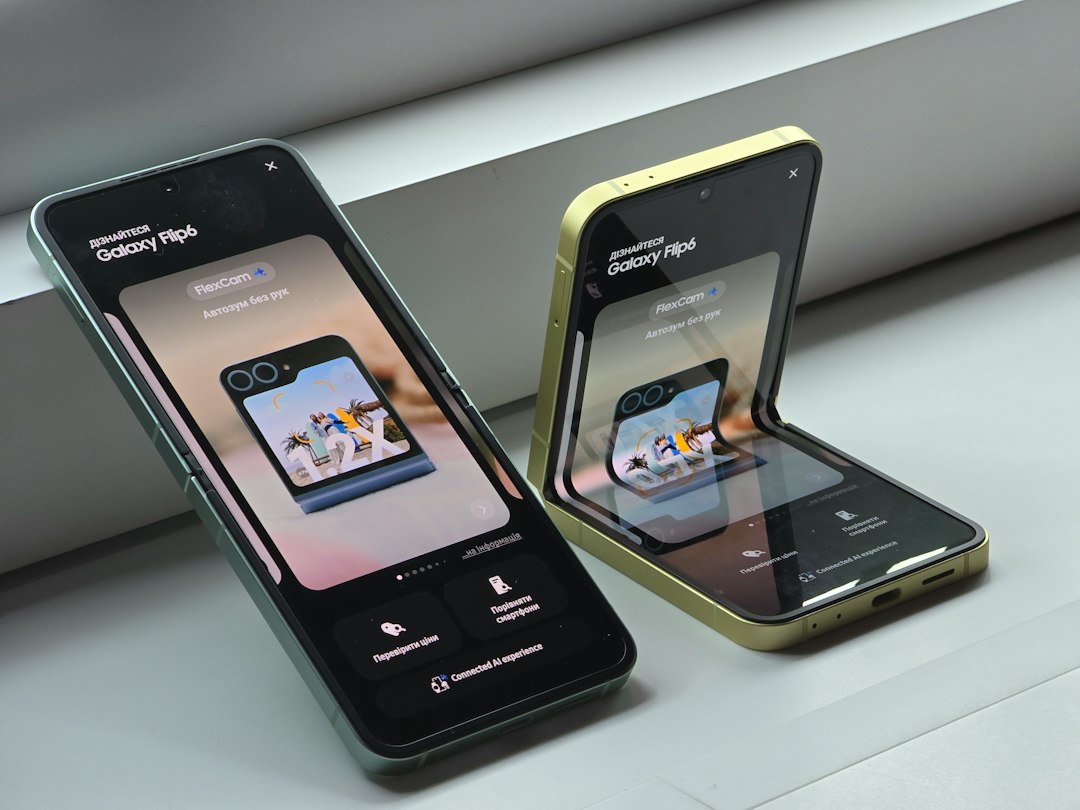
Apple has officially opened consumer reservations for its long-anticipated flexible hardware platform, initiating iPhone Duo pre-orders ahead of an official retail launch on October 23. Positioned at a baseline cost of $2,000, the hybrid hardware transitions between an external 5.4-inch smartphone interface and an expanded 7.6-inch matte OLED internal panel when fully opened. This release marks Cupertino's entry into the flexible display sector, introducing an ultra-premium tier above its traditional flagship smartphones while testing consumer tolerance for novel form factors and steep price thresholds.
The launch highlights a distinct shift in Apple's mobile hardware deployment strategy. By introducing flexible panel architecture alongside deliberate camera and biometric tradeoffs, Apple is aiming to redefine portable productivity while managing complex component yields. Understanding the mechanics behind this release reveals how the device reshapes the broader mobile market and sets up a new competitive dynamic across high-end consumer technology.
Strategic Positioning of Apple's First Foldable Device
For years, major hardware manufacturers have iterated on flexible panel technology, facing early challenges with hinge reliability, screen creasing, and software scaling. Apple’s delayed entry reflects its historic preference for entering emerging product categories only after underlying component supply chains mature. With the iPhone Duo, the company enters an established market segment previously dominated by long-running series from rival Android original equipment manufacturers (OEMs).
The strategic introduction of a $2,000 baseline device establishes a new luxury category within Apple's ecosystem, situated above the standard Pro Max lineup. Rather than attempting to immediately replace high-volume traditional smartphones, the primary goal of this initial hardware release is to capture high-spending early adopters and establish spatial software workflows across variable screen areas.
Foldable Market Segmentation Structure:
+-------------------------------------------------------+
| Luxury Tier ($2,000+): iPhone Duo, Ultra-Pro Hybrids   |
+-------------------------------------------------------+
| Flagship Tier ($1,000-$1,200): Pro Max, Standard Pro  |
+-------------------------------------------------------+
| Premium Tier ($700-$900): Base Flagships, SE Series   |
+-------------------------------------------------------+
By pricing the unit well beyond standard flagship tiers, Apple absorbs the substantial capital costs associated with specialized hinge engineering and low-yield matte foldable screen display manufacturing without eroding its consolidated hardware profit margins.
Hardware Architecture and Strategic Engineering Trade-Offs
To achieve a balanced chassis that functions smoothly in both closed and open configurations, Apple made noticeable structural and component trade-offs. The device relies on a dual-screen design featuring a compact 5.4-inch exterior screen for quick interactions and a primary 7.6-inch widescreen interior display optimized for multitasking and media consumption. The internal panel features an anti-reflective matte coating designed to reduce visual glare, accompanied by optical rendering techniques that minimize the appearance of the structural center crease.
However, achieving a manageable chassis thickness when folded required dropping several flagship features found in traditional high-end iPhones:
- Biometric Authentication: The familiar Face ID sensor array has been omitted from the interior layout to preserve display area, shifting authentication to alternative biometric mechanisms.
- Camera Optics: The primary camera module lacks the dynamic variable aperture mechanisms introduced in conventional flagship models, relying instead on fixed-aperture sensor systems to conserve internal space.
- Under-Display Imaging: The internal FaceTime camera utilizes an under-display sensor architecture. While this choice provides an uninterrupted view across the 7.6-inch workspace, it involves optical trade-offs in clarity and low-light performance compared to dedicated punch-hole sensor cuts.
These engineering decisions emphasize thinness and continuous visual continuity over maximum camera performance, separating the Duo’s functional focus from the photography-centric emphasis of traditional Pro models.
Market Competition and the $2,000 Tier
The start of iPhone Duo pre-orders creates a clear test case for the $2,000 consumer mobile tier. While flexible smartphones have steadily expanded their market share in Asian and European territories, North American adoption has remained concentrated among technology enthusiasts. Apple's brand ecosystem and trade-in credit structures are expected to broaden the baseline market for flexible devices, even at a high price point.
Initial production estimates suggest limited early inventory, a common reality for first-generation hardware launches relying on complex display assemblies. High manufacturing precision requirements for the folding hinge mechanism and flexible OLED matrices inherently constrain early output. Consequently, shipping estimates are expected to slip quickly into multi-week delays, creating artificial scarcity that typically reinforces early demand cycles.
From a competitive standpoint, established flexible device makers now face direct friction in the ultra-luxury mobile space. Competitors will likely point to their mature software feature sets and higher-spec camera systems to retain users, while Apple relies on tight cross-device synchronization and familiar operating interfaces to incentivize upgrades from existing users.
Ecosystem Adaptation and Software Integration
Hardware is only half of the flexible equation; software adaptation dictates whether enlarged screen space translates into practical utility. The Duo operates on a modified interface layer capable of dynamically redistributing active applications as the user unfolds the device. The 7.6-inch interior surface provides a workspace comparable to a compact tablet, allowing side-by-side app multitasking and drag-and-drop features between active software windows.
This dynamic presentation creates an interesting internal dynamic for Apple's product portfolio. By offering tablet-grade screen space in a pocketable form factor, the device intersects directly with the value proposition of small-format tablets like the iPad mini. Developers are now tasked with updating their applications to support adaptive layouts that adjust instantly between the tight 5.4-inch outer window and the expansive internal canvas.
What to Watch in Apple's Foldable Expansion
As initial shipments prepare for consumer delivery, several key operational metrics will determine the long-term success of Apple's foldable strategy:
- Fulfillment Timelines: Monitoring post-launch shipping delays will show whether order backlogs stem from strong consumer demand or underlying manufacturing yield bottlenecks.
- Display Durability: Real-world feedback regarding the long-term wear resistance of the internal matte coating and flexible hinge mechanism will influence broader consumer confidence.
- Developer Adoption Rates: The speed at which third-party software creators update their applications to leverage the dual-display architecture will dictate the productivity value of the inner workspace.
- Downstream Cascade: Observing whether high-end component features—such as under-display camera arrays and matte flexible displays—trickle down into mainstream hardware iterations over subsequent product generations.
Reporting reference: this briefing is TechWire’s independent analysis. Primary reporting was published by Engadget — read the source article.
Related analysis

x86 Processor Evolution: How Legacy Trade-Offs Won
Explore the x86 processor evolution, from 1970s hardware choices to modern computing compatibility, explaining little-endianness and register design.

NSF Leadership Nomination Collapses Amid Science Policy Crisis
Senate pushback on the NSF leadership nomination highlights growing friction over federal science funding and academic research oversight.

TRMNL Frame: Full Color ePaper Display Canvas Debuts
An analysis of TRMNL Frame, a 31.5-inch full color ePaper display using Spectra 6 tech, custom color engines, and in-house manufacturing.