iphone duo foldable comparison
iPhone Duo Foldable Comparison: Hardware Beats iOS Polish
An in-depth iPhone Duo foldable comparison analyzing Apple's matte inner display, hardware ergonomics, and early iOS software optimization challenges.
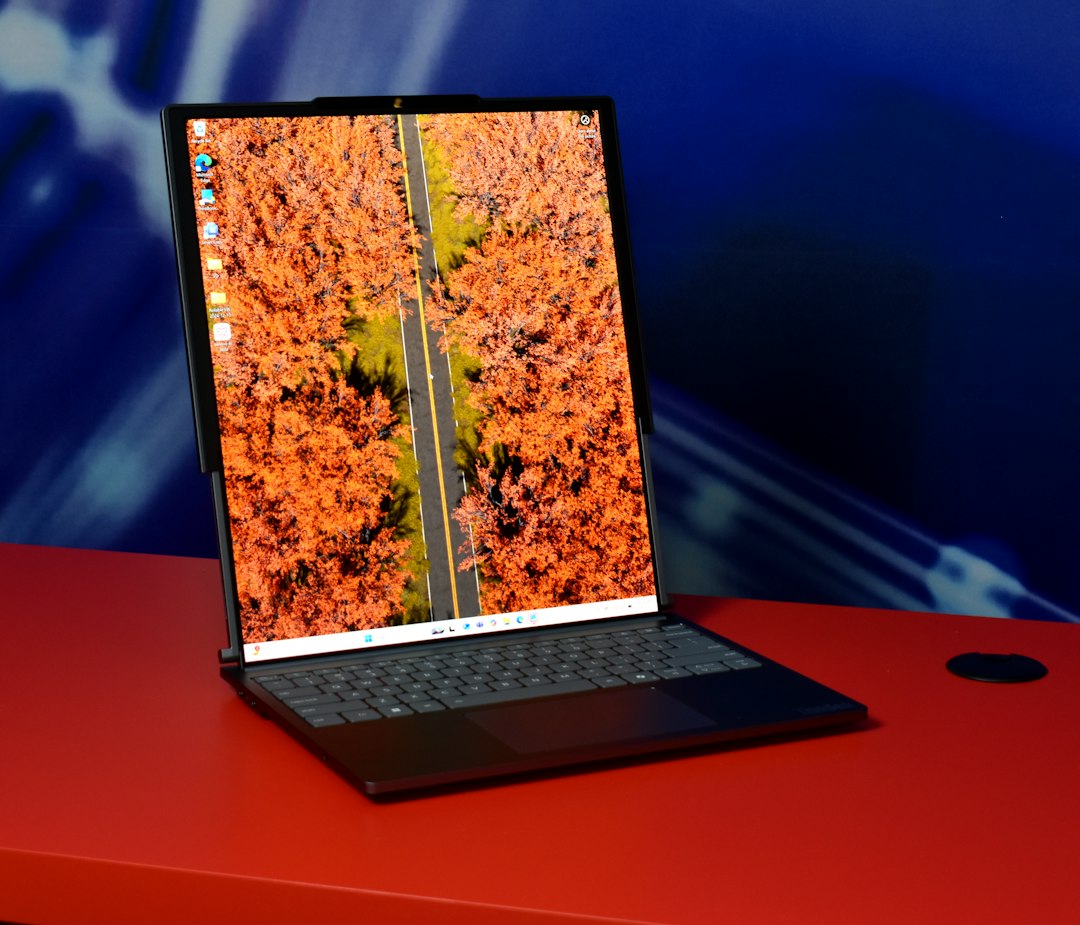
Apple's initial entry into the flexible display segment with the iPhone Duo establishes a compelling contrast between structural engineering excellence and software ecosystem readiness. While the device introduces distinct physical innovations, including an anti-reflective internal panel and robust ingress protection, unoptimized software interfaces and rigid multi-window management initially hamper its functional value. In a direct iPhone Duo foldable comparison against mature competitors, hardware refinement is occasionally undercut by early software constraints.
Architectural Precision and Ergonomic Trade-offs in Hardware
The premium mobile sector has spent years refining flexible hinges and chassis geometry, yielding distinct design philosophies across top hardware manufacturers. Apple's approach favors structural rigidity and premium tactile feedback, utilizing a curved frame paired with Ceramic Shield outer glass—a toughened substrate designed to resist impact damage. The mechanical hinge mechanism yields a precise magnetic closure, conveying a high level of assembly tolerance that matches its premium market positioning.
However, this focus on dense materials introduces significant trade-offs in device mass and portability:
- Excess Weight: The device carries noticeable physical heft, outweighing competing flexible handsets despite maintaining comparable screen surface areas.
- Chassis Width: Featuring a wider, shorter aspect ratio, the closed device offers a natural book-style layout when opened, though it stretches comfortable one-handed reach.
- Structural Durability: While carrying an IP68 rating—signifying top-tier Ingress Protection against complete dust entry and continuous water immersion—early field reports reveal isolated display substrate failures without external impact, reminding buyers that first-generation hardware incurs inherent manufacturing risks.
Evaluating Display Innovation: Nano-Texture Glass and Crease Visibility
The primary technical highlight of the internal panel is its deployment of nano-texture display technology. By etching microscopic structures directly into the glass surface rather than applying a soft chemical coating, the panel diffuses ambient reflection without sacrificing color fidelity. This matte finish substantially diminishes specular glare, transforming outdoor legibility compared to glossy plastic substrates found on alternate flexible screens.
Furthermore, the matte treatment provides an optical illusion that helps suppress the visibility of the central display crease. While the physical indentation remains tactile when sliding a finger across the axis, light diffusion prevents the valley from catching ambient reflections at vertical angles. It sits comfortably ahead of deeper screen dips seen in early-generation devices, though rival engineers using liquid hinge mechanisms have achieved slightly flatter physical planes.
One minor optical compromise stems from the under-display camera (UDC) housing. To allow light past the pixels to the sensor beneath, the small circular region above the front camera omits the nano-texture treatment. This creates a tiny glossy punch-hole zone within an otherwise fully matte canvas, creating a subtle visual artifact when displaying uniform background shades.
The Software Bottleneck: iOS Optimization in Foldable Environments
Historically, operating systems drive the commercial utility of novel form factors. On flexible hardware, software must dynamically adapt user interface (UI) elements between narrow external covers and expansive internal panels. In its current state, iOS exhibits growing pains when translating standard mobile views onto wider aspect ratios.
The Persistent Rail and Cover Screen Compression
To manage navigation across expanded canvases, system software reserves dedicated screen real estate for a persistent right-hand action rail. On the internal display, this bar offers immediate control access. However, on the external panel, this persistent element consumes crucial horizontal space, compressing standard app layouts into narrow visual strips. Many third-party applications fail to recognize the rail, rendering empty black regions instead of populating the bar with functional context.
Gesture Inconsistencies and One-Handed Ergonomics
System navigation presents additional ergonomic friction due to non-uniform gesture paths. Unlike mobile platforms that offer symmetrical back-swipe gestures originating from either screen edge, iOS requires specific top-left tap targets or left-to-right edge swipes depending on the active application. On a wide-aspect folding chassis, reaching across the display surface to execute navigation commands induces hand strain, undermining the convenience of quick external interactions.
Key Spec Comparisons Across Next-Gen Foldable Hardware
| Hardware Feature | iPhone Duo Strategy | Industry Competitor Baseline |
|---|---|---|
| Display Surface | Matte nano-texture glass finish | Glossy ultra-thin glass (UTG) / plastic films |
| Ingress Rating | Full IP68 dust and water resistance | Varies; often IPX8 (water only) or lower |
| Input Options | Active digital stylus support (USB-C) | Selective digitizer support across premium lines |
| Camera Array | Dual 48MP sensors (Wide / Ultrawide) | Triple-sensor setups (including dedicated periscopes) |
| Battery Architecture | Single-day capacity targeting standard use | Multi-day targeted cell configurations |
Camera hardware on the device opts for essential coverage rather than total optical versatility. The rear housing accommodates dual 48-megapixel sensors covering wide and ultrawide focal lengths. While computational imaging preserves color accuracy and dynamic range, heavy photography enthusiasts may miss dedicated telephoto hardware. Expanded self-portraits can be captured by unfolding the chassis and using the primary rear camera array alongside the external cover viewfinder, circumventing the lower-resolution under-display sensor.
Multi-Window Productivity and Platform Maturity Gaps
Productivity on high-resolution folding displays relies heavily on multi-window capability—the capacity to run concurrent software instances without performance throttling. The current implementation of split-screen workspace handling remains restrictive. Users can split the canvas between two applications, but execution is bound strictly to a 50/50 ratio within horizontal landscape mode.
Competing mobile platforms, now spanning up to eight generations of hardware-software co-design, support floating windows, flexible vertical split proportions, and persistent taskbars for fluid background switching. Apple's ecosystem maintains superior tablet application scaling in standalone environments, but its initial dual-screen layout logic lacks the freeform flexibility demanding multi-taskers expect.
Future Trajectory: What to Watch in Apple's Foldable Ecosystem
As the flexible hardware landscape matures, several critical developments will dictate whether hardware capabilities translate into sustained market dominance:
- Developer API Adoption: Watch for upcoming software updates and developer conference sessions to see if third-party developers adopt dynamic window scaling to eliminate letterboxing and utilize the side navigation rail effectively.
- Iterative UI Refinements: System-level updates must refine edge-gesture mechanics and expand multi-window orientation options beyond rigid side-by-side splits.
- Display Substrate Reliability: Long-term consumer field data will determine whether screen assembly durability holds up against environmental stresses, influencing secondary-market retention and warranty structures.
While physical construction and anti-glare display technology set a impressive structural baseline, closing the experience gap against seasoned rivals will ultimately require rapid iteration across software design and ecosystem optimization.
Reporting reference: this briefing is TechWire’s independent analysis. Primary reporting was published by The Verge — read the source article.
Related analysis

iPhone Duo Screen Size: Why Small Displays Fail Ergonomics
Analyzing the iPhone Duo screen size, mass distribution, and ergonomic trade-offs compared to classic compact smartphones like the iPhone 13 Mini.

x86 Processor Evolution: How Legacy Trade-Offs Won
Explore the x86 processor evolution, from 1970s hardware choices to modern computing compatibility, explaining little-endianness and register design.

NSF Leadership Nomination Collapses Amid Science Policy Crisis
Senate pushback on the NSF leadership nomination highlights growing friction over federal science funding and academic research oversight.