Instagram Long-Form Video Expansion Targets YouTube TV Dominance
Meta expands Instagram long-form video capabilities to 90 minutes, adding landscape support and TV apps to challenge YouTube's living room dominance.
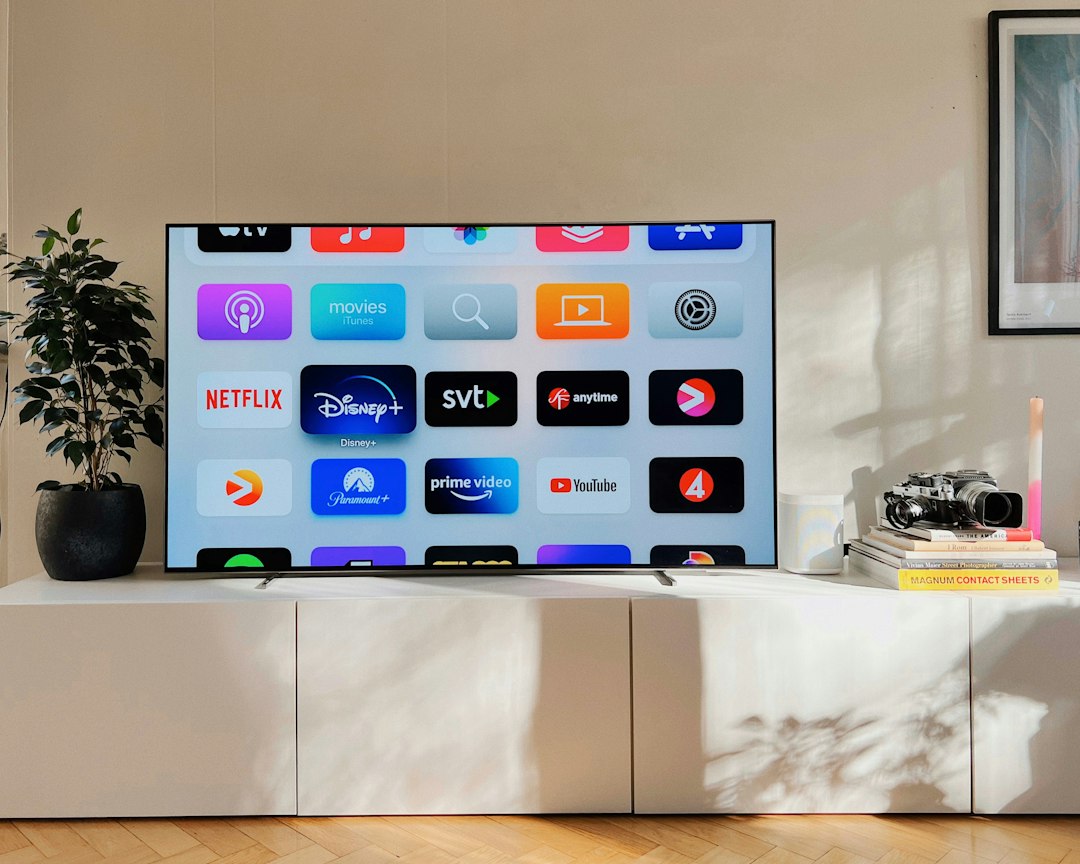
Meta is expanding experimental features on Instagram that allow creators to upload landscape videos up to 90 minutes in length, direct viewers from short clips to full-length media, and group episodic content into cohesive series. By integrating extended playback options with connected television applications, the social media giant is attempting to transform its photo- and short-video-sharing application into a comprehensive digital streaming hub. This strategic move directly targets YouTube's long-standing leadership across both mobile discovery and living-room media consumption.
The shift represents a fundamental realignment of how social platforms handle media distribution. Rather than relying on third-party services like YouTube or Spotify to host long-form content while using short clips merely as promotional teasers, Meta is attempting to capture the entire media lifecycle inside its own application environment.
The Architecture of Instagram's Long-Form Video Shift
For years, short-form algorithms have favored vertical, highly fast-paced content designed for quick interactions. However, mobile-first social networks often struggle to retain user attention once an interest moves from initial discovery to deeper engagement. The new architecture introduced by Meta bridges this gap through several structural product adjustments:
- Extended Runtime Caps: Extending video duration limits up to 90 minutes allows podcasters, educators, and independent filmmakers to host complete broadcasts directly on the network.
- Horizontal Orientation Support: Allowing creators to publish horizontal, or landscape, aspect ratios accommodates traditional video production formats tailored for desktop monitors and big-screen displays.
- Seamless Short-to-Long Linking: Creators can attach explicit deep links inside short-form Reels that guide viewers straight to the corresponding full-length episode.
- Episodic Content Organization: The introduction of structured sequence tracking, branded as "Series," helps algorithms recognize watch histories and auto-recommend consecutive episodes to recurring audience members.
By uniting bite-sized recommendation algorithms with extended playback options, Meta aims to create an uninterrupted funnel. A user might discover a thirty-second highlights clip while scrolling on a smartphone during the day, and then finish the full-length program on a smart television later that evening.
Correcting the Architectural Mistakes of IGTV
This initiative is not Meta's first attempt to capture extended video watch time. In 2018, the company launched IGTV, a standalone hub designed for longer broadcasts. However, IGTV stumbled commercially and technically, largely due to rigid product design choices—most notably a strict requirement that all uploads remain in a vertical format regardless of length.
Forcing creators to film hour-long programs in portrait orientation created severe production friction. Professional video equipment, studio lighting, and post-production workflows are fundamentally built around horizontal framing. Consequently, media companies were forced to re-render long-form assets unnaturally or skip the platform altogether.
Meta eventually dismantled IGTV, absorbing its functions into the core app. The current deployment reveals critical lessons learned from that failure. Instead of forcing creators to alter standard filming formats, Meta is adapting its interface to support standard landscape aspect ratios while splitting product surfaces logically: vertical video dominates short-form discovery on mobile devices, while horizontal layout powers lean-back viewing experiences on connected televisions.
The Battle for the Living Room Ecosystem
To compete effectively against traditional streaming providers and digital platforms like YouTube, social media companies must establish a presence on connected television (CTV) platforms. YouTube’s massive growth over recent years has been heavily driven by its dominant presence on smart TVs, where viewers consume long-form independent media much like traditional cable channels.
Winning living-room screen time provides major economic advantages. CTV advertising space commands significantly higher cost-per-thousand (CPM) rates compared to standard mobile feed impressions. Advertisers pay a premium for unskippable, full-screen television spots where audience attention is unified rather than fragmented by rapid mobile scrolling.
To drive adoption in the living room, Meta is developing television-specific features designed to make extended viewing inherently social. These include dedicated app interfaces for smart TVs, synchronized companion tools that turn a mobile phone into an interactive television remote, and shared media hubs that display what a user's social network is actively watching. By combining social network effects with big-screen playback, Meta hopes to carve out a unique niche that pure streaming platforms cannot easily replicate.
Creator Economy Dynamics and Business Implications
The technological update carries significant implications for digital producers, particularly podcasters and video creators who currently use short-form clips as marketing collateral to drive viewers elsewhere. Historically, a creator might generate viral reach on Reels or TikTok, but they were forced to send those viewers to YouTube or third-party podcast networks to monetize the actual long-form audience.
This structural friction often led to poor audience retention. Converting a passive short-form viewer into an active subscriber on a separate application requires multiple manual steps. By hosting long-form content directly within the discovery network, Meta drastically reduces viewer friction, potentially offering creators higher audience retention rates.
However, long-term success will ultimately depend on payout economics. YouTube’s Partner Program provides a predictable revenue-sharing model backed by decade-long ad insertion infrastructure. For creators to migrate primary hosting duties to Instagram long-form video, Meta must demonstrate that its mid-roll advertising and monetization systems can deliver comparable income for long-form inventory.
What to Watch in Meta's Video Evolution
As Meta rolls out these capabilities to broader global audiences, several key metrics and industry shifts will signal whether the strategy is succeeding:
- Algorithmic Balance on Mobile: How effectively Instagram's primary feed balances short-form engagement with recommendations for extended horizontal videos without confusing user expectations.
- Smart TV App Adoption Rates: Whether consumers will actively download and use dedicated Instagram television applications instead of relying purely on established CTV platforms.
- Creator Upload Habits: The degree to which major digital publishers and podcast networks shift primary publishing workflows toward Meta's ecosystem rather than cross-posting secondary clips.
- Ad Monitization Parity: The speed at which Meta introduces mature revenue-sharing programs for creators publishing 90-minute horizontal broadcasts.
If Meta successfully navigates these challenges, the distinction between social media applications and traditional digital streaming platforms will diminish further, fundamentally redefining how modern digital video is distributed and consumed.
Reporting reference: this briefing is TechWire’s independent analysis. Primary reporting was published by WIRED — read the source article.
Related analysis

x86 Processor Evolution: How Legacy Trade-Offs Won
Explore the x86 processor evolution, from 1970s hardware choices to modern computing compatibility, explaining little-endianness and register design.

NSF Leadership Nomination Collapses Amid Science Policy Crisis
Senate pushback on the NSF leadership nomination highlights growing friction over federal science funding and academic research oversight.

TRMNL Frame: Full Color ePaper Display Canvas Debuts
An analysis of TRMNL Frame, a 31.5-inch full color ePaper display using Spectra 6 tech, custom color engines, and in-house manufacturing.