How to Protect a PC From Power Surges and Grid Outages
Protect a PC from surges and outages with safer shutdown, UPS, and surge-protection guidance—including when to call a licensed electrician.
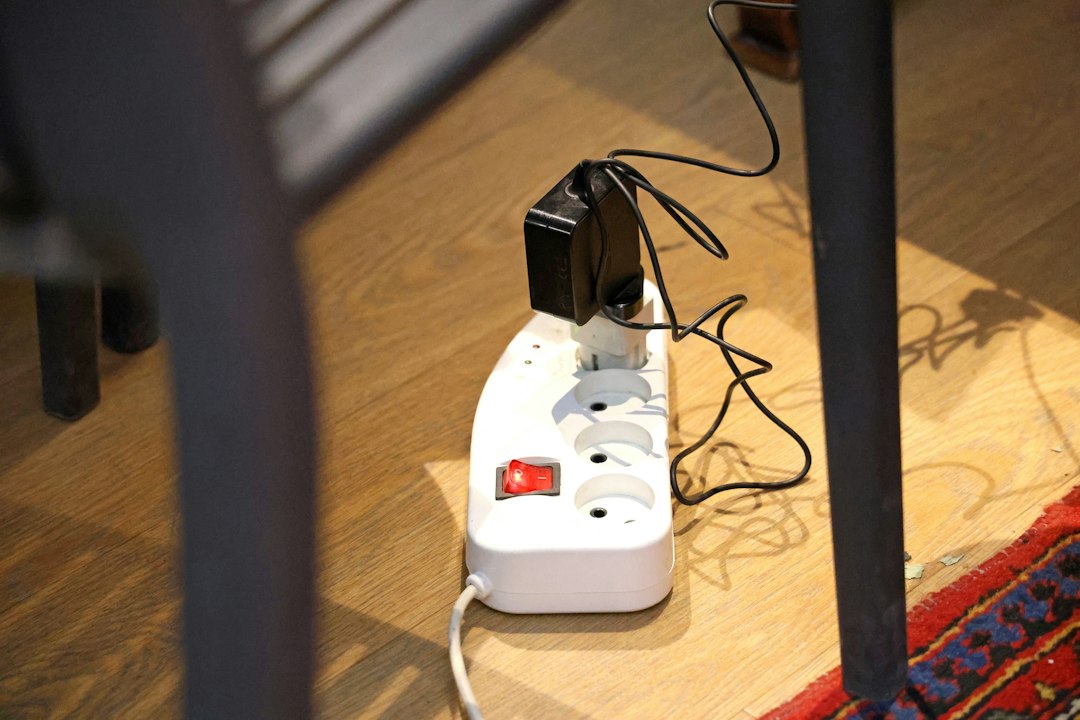
When severe storms or grid blackouts occur, electronic components face severe risks from sudden voltage spikes and erratic power restoration. Disconnecting desktop computers, networking routers, and high-value appliances from wall outlets remains the most reliable safeguard against catastrophic hardware failure during unexpected electrical disruptions. Combining physical isolation with multi-layered suppression hardware protects sensitive integrated circuits from irreversible thermal damage.
The Mechanics of Transient Voltage and Hardware Vulnerability
When a power grid collapses or experiences a lightning strike, the primary threat to desktop hardware is transient overvoltage—a temporary spike in electrical potential that vastly exceeds standard operational limits. Modern electronic devices rely on steady alternating current (AC) converted into low-voltage direct current (DC) via a power supply unit (PSU). While modern switching power supplies possess internal regulation circuitry designed to manage minor grid fluctuations, extreme voltage spikes easily bypass these built-in safety mechanisms.
Why Routers and Network Gear Suffer High Failure Rates
Networking devices such as modems and Wi-Fi routers are particularly susceptible to storm damage because they interface with multiple external conductors. Beyond standard electrical wiring, copper networking cables or coaxial lines running from outside utility poles act as secondary entry paths for transient currents. An overvoltage event traveling through an ethernet connection can destroy delicate network interface cards or burn out integrated system-on-chip processors within residential gateway devices.
Comparing Surge Protectors and Uninterruptible Power Supplies
To guard against electrical irregularities, hardware enthusiasts and enterprise network administrators deploy specialized power conditioning hardware. Choosing between a standard power strip with surge suppression capabilities and a dedicated uninterruptible power supply (UPS) depends on operational requirements and acceptable downtime risk.
Metal-Oxide Varistors and Voltage Clamping
A high-quality surge strip relies on metal-oxide varistors (MOVs) to absorb excess energy. An MOV acts as a voltage-sensitive resistor: under normal operating voltages, it offers high resistance, allowing power to flow into connected devices. When voltage exceeds a predefined threshold—known as the clamping voltage—the MOV instantly shifts to a low-resistance state, diverting excess electrical current directly into the earth ground wire. Over time, each diverted spike degrades the MOV material, requiring eventual replacement of the surge strip.
Battery Buffers and Graceful Operating System Shutdowns
An uninterruptible power supply expands upon basic surge suppression by integrating a rechargeable battery array and a power inverter. When utility power drops unexpectedly, a line-interactive UPS switches to battery power within milliseconds, preventing immediate system crash events. This short window of auxiliary power provides crucial benefits:
- Prevents data corruption by maintaining power during transient brownouts lasting a few seconds.
- Grants automation software or users adequate time to execute a clean operating system shutdown, preserving active volatile memory structures and open file handles.
- Filters harmonic distortion and cleans incoming grid AC power before delivering it to sensitive PC components.
Electrical safety comes first
Never open a UPS, power supply, breaker panel, outlet, or hard-wired surge device unless you are qualified to service it. These products can retain dangerous voltage after they are unplugged. Do not handle plugs or equipment in standing water, and do not disconnect equipment while lightning is nearby. If an outlet is hot, scorched, buzzing, loose, or repeatedly trips a breaker, stop using it and contact a licensed electrician. Follow the equipment manufacturer’s instructions and local electrical code; a UPS or plug-in protector cannot repair unsafe building wiring.
Operational Safeguards During Severe Weather Events
While protective hardware provides essential safety margins, active management during active weather disruptions further mitigates equipment loss. Relying solely on passive suppression during severe electrical storms leaves equipment exposed to extreme multi-kilovolt strikes that exceed normal MOV joule ratings.
Recommended Steps Before and During Outages
To optimize desktop hardware protection during grid failures, follow a structured isolation protocol:
- Complete a standard software shutdown of the operating system to ensure disk writes conclude cleanly.
- Toggle the rocker switch located on the back of the computer's power supply unit to the off position to break the primary circuit.
- Physically disconnect the power cable from the wall outlet or surge strip to eliminate any physical arc path.
- Unplug ethernet cables and secondary peripherals that connect to external utility lines or ungrounded accessories.
Power Restoration Protocols and Whole-Home Suppression
The danger to electronic equipment does not end when utility lines regain function. Initial grid restoration is frequently accompanied by severe voltage oscillations, inductive kickbacks from neighborhood transformers, and rapid power cycling as automated utility switches attempt to clear faults.
Safe Reconnection Procedures
Immediate reconnection of sensitive electronics as soon as lights flicker back on exposes internal components to these secondary transient spikes. Waiting several minutes allows the utility grid to stabilize at nominal voltage levels. When restoring power, energize the central surge strip or UPS unit first, verify stable voltage indicators, and subsequently power on individual desktop rigs and peripherals.
Multi-Level Defense Strategy for Modern Workstations
For high-value enterprise workstations and homelab server infrastructures, relying on a single power strip at the desk level represents a single point of failure. Modern electrical engineering standards advocate for a tiered suppression architecture:
- Primary Defense: A panel-mounted whole-house surge protective device installed directly at the main breaker board diverts massive utility-level transients before they penetrate branch circuits.
- Secondary Defense: Point-of-use surge suppressors or UPS units situated at individual workstations absorb residual clamping voltages left unhandled by the primary panel SPD.
- Physical Isolation: Manual disconnection of non-essential computing arrays during severe forecast warnings remains the ultimate zero-risk mitigation tactic.
Long-Term Infrastructure Management and Next Steps
As electrical grids face increasing stress from extreme weather patterns and growing industrial loads, residential power quality will remain variable. Technology users must treat power management equipment as consumable assets rather than permanent fixtures. Surge suppressors gradually lose their energy absorption capacities over time, and UPS batteries require routine replacement every three to five years to maintain battery chemistry health. Establishing periodic hardware audits, monitoring UPS self-diagnostic logs, and enforcing disciplined unplugging habits during severe storms ensures long-term operational resilience for critical computing assets.
Reporting reference: this briefing is TechWire’s independent analysis. Primary reporting was published by Engadget — read the source article.
Related analysis
US–China Tech Talks Put Chips and Critical Minerals in Focus
A sourced briefing on how chip controls and critical-mineral policy shape US–China technology talks, supply chains, and business planning.

CISA Warning Puts Internet-Exposed Siemens PLCs in Focus
A practical briefing on the joint US warning about Siemens S7 controllers, with defensive priorities for industrial operators and security teams.
Gunra Ransomware Advisory Highlights Identity and Edge Risk
The joint Gunra ransomware advisory connects exposed remote access, credential theft, cloud exfiltration, and recovery planning for defenders.