sustainable viticulture strategy
How Sustainable Viticulture Strategy Secures Vineyard Yields
Adopting a sustainable viticulture strategy enables wine growers to mitigate climate stress, lower operational costs, and boost soil water retention.
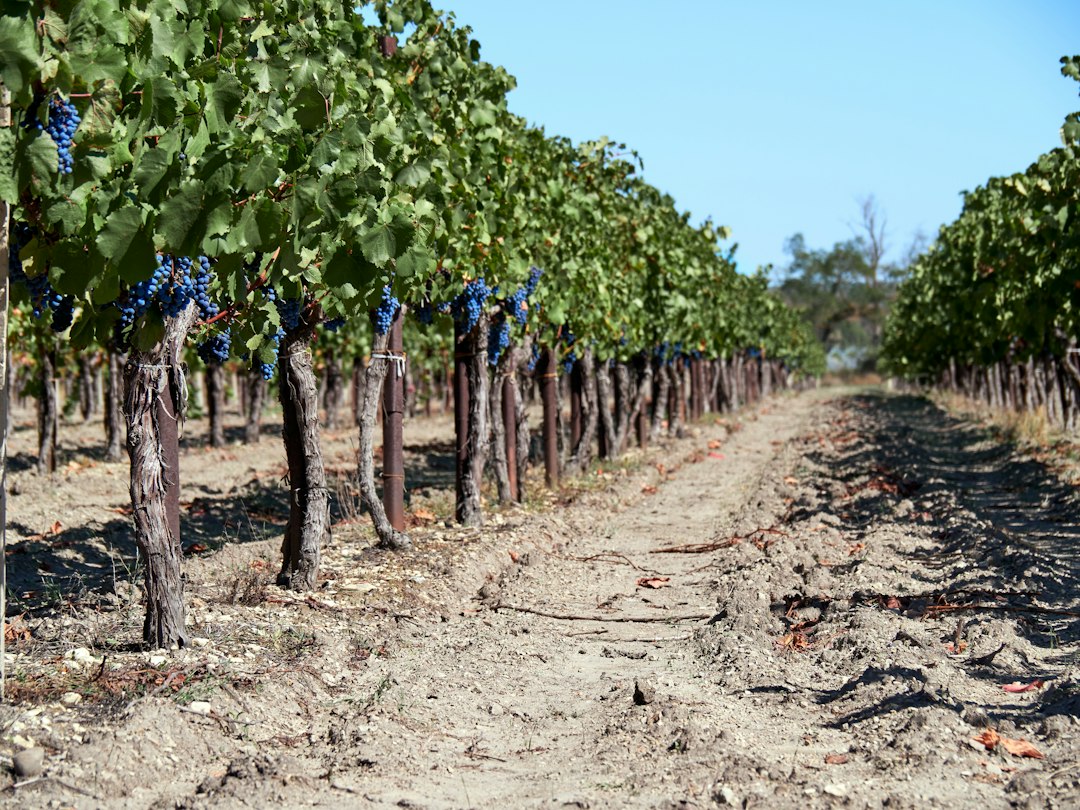
Agricultural enterprises operating in extreme climate zones are shifting away from traditional reactive farming, adopting ecological conservation as a core risk-management framework. In high-value sectors like viticulture, environmental degradation, water scarcity, and escalating input expenditures are forcing producers to align long-term business models with natural resource stewardship. Research examining field operations across South Africa's Western Cape demonstrates that ecological restoration serves as direct infrastructure protection, safeguarding crop yields against rising global temperatures and severe weather events.
By treating natural biomes as operational assets rather than unproductive real estate, growers are creating a blueprint for high-value agricultural resilience. This strategic pivot illustrates how climate adaptation, cost reduction, and quality control intersect in modern agri-business management.
The Shift from Regulatory Compliance to Balance Sheet Protection
For decades, commercial farming treated environmental conservation as a secondary concern, often viewed as a regulatory constraint or a public relations expense. However, rapidly accelerating climate pressures have altered that economic equation. In regions where temperatures have outpaced global warming averages, consecutive severe droughts and unseasonal heat waves expose the vulnerabilities of conventional monoculture farming.
When growers rely strictly on intensive synthetic inputs to offset heat stress and topsoil depletion, operational expenses (OpEx) escalate sharply. Chemical fertilizers, synthetic pesticides, and energy-intensive irrigation infrastructure become cost centers that erode profit margins. In response, enterprise wine producers are implementing a sustainable viticulture strategy that uses natural ecological processes to replace expensive synthetic interventions. Environmental stewardship is no longer evaluated as a sacrifice of arable acreage; it is treated as a strategic investment in asset longevity and risk mitigation.
Agronomic Mechanics of Soil and Water Conservation
To build resilience against persistent drought, modern vineyard managers are altering how they handle ground cover and hydrologic systems. The foundational mechanics rely on several interconnected practices:
- Cover Cropping Systems: Planting non-cash crops—such as legumes, nitrogen-fixing brassicas, and deep-rooting cereals like rye or oats—between vine rows prevents wind and water erosion. These plants improve soil permeability, allowing rare rainfall events to penetrate deeply into subterranean aquifers rather than washing away essential topsoil.
- Organic Matter Accumulation: Incorporating specialized mulches and composts increases soil carbon content. Elevated organic matter acts like a physical sponge, retaining soil moisture through prolonged dry spells and moderating ground temperatures during intense heat waves.
- Riparian Buffer Restoration: Clearing invasive plant species along native waterways prevents invasive flora from draining local water tables. Restoring indigenous vegetation restores natural flow rates and protects wetlands that buffer vineyards against flash flooding.
While cover crops require intentional management to avoid competing with cash crops for surface moisture, the long-term agronomic gains—higher nutrient availability, reduced structural compaction, and stabilized root zones—significantly outweigh the maintenance overhead.
Precision Monitoring Replaces Broad Chemical Inputs
Another pillar of ecological stewardship is the transition from scheduled, blanket chemical applications to targeted Integrated Pest Management (IPM). Traditional pest control relies on preventative broad-spectrum spraying, which neutralizes beneficial predatory insects along with harmful pathogens, creating pest resistance over time and inflating input budgets.
Under an IPM framework, vineyard managers utilize agronomic data monitoring, field sampling, and localized weather tracking to identify disease vector windows before outbreaks occur. By establishing habitat corridors for native birds and predatory insect species within uncultivated acreage, vineyards establish biological controls that naturally suppress destructive pest populations.
Complementing these biological controls with cultural interventions—such as precise canopy pruning to optimize airflow and sunlight penetration—dramatically lowers fungal disease risk. Consequently, farms reduce their reliance on expensive chemical fungicides and insecticides, insulating their operating margins from fluctuating supply chain costs for synthetic inputs.
Independent Auditing and Market Differentiation
Implementing sustainable land management offers limited commercial value without transparent verification. Programmatic frameworks, such as South Africa's Integrated Production of Wine (IPW) scheme established in 1998, provide third-party auditing standards for water treatment, chemical usage, and biodiversity preservation.
These standardized auditing regimes bridge the gap between field-level practices and downstream commercial positioning. Verified compliance allows producers to maintain access to premium international markets where environmental, social, and governance (ESG) standards dictate retailer procurement decisions. Furthermore, as consumer preferences shift toward transparent sourcing, certified sustainable operations command higher price points, offsetting the initial capital expenditures required to transition away from conventional practices.
Strategic Takeaways for Agri-Business Leaders
The transformation observed in high-end viticulture provides actionable lessons for broader agricultural technology and land management industries. Key trends to monitor over the coming years include:
1. Integration of Sensor Technology and Remote Sensing
Expect expanded deployment of micro-climate IoT sensor networks and thermal satellite imagery. Real-time monitoring of soil matrix potential and leaf canopy stress will allow growers to execute hyper-precise micro-irrigation, maximizing water efficiency in hyper-arid zones.
2. Valuing Agricultural Ecosystem Services
Financial institutions and agricultural insurers are beginning to factor land stewardship into risk assessments. Farms that maintain healthy soil structures and natural water features present lower default and crop-loss risks, potentially unlocking preferential financing rates and lower insurance premiums.
3. Product Diversification and Acreage Optimization
As certain land parcels become unviable for high-stress crops due to climate shifting, commercial operations will increasingly diversify. Landowners will reallocate marginal fields to alternative resilient crops, solar energy harvesting, or dedicated conservation zones, optimizing revenue per acre while mitigating monoculture climate risk.
The commercial viability of future farming depends on viewing ecological systems not as external factors to be controlled, but as critical structural assets that dictate long-term operational performance.
Reporting reference: this briefing is TechWire’s independent analysis. Primary reporting was published by Ars Technica — read the source article.
Related analysis

x86 Processor Evolution: How Legacy Trade-Offs Won
Explore the x86 processor evolution, from 1970s hardware choices to modern computing compatibility, explaining little-endianness and register design.

NSF Leadership Nomination Collapses Amid Science Policy Crisis
Senate pushback on the NSF leadership nomination highlights growing friction over federal science funding and academic research oversight.

TRMNL Frame: Full Color ePaper Display Canvas Debuts
An analysis of TRMNL Frame, a 31.5-inch full color ePaper display using Spectra 6 tech, custom color engines, and in-house manufacturing.