google android xr smart glasses
Google Android XR Smart Glasses Set for Late 2026 Launch
Analyze the Google Android XR smart glasses strategy as key hardware partners signal a late 2026 release to directly challenge Meta's wearable market.
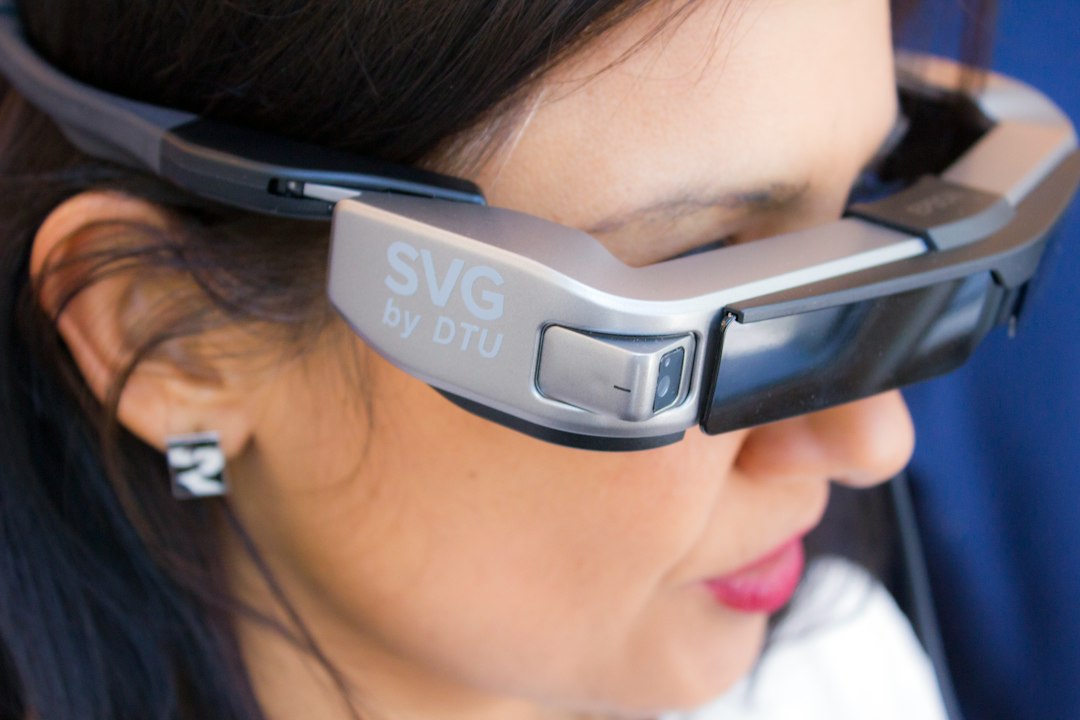
Hardware partners integrated into Google's spatial computing platform have disclosed production and release schedules for screenless wearable hardware. By partnering with prominent optical brands to launch audio-centric, AI-infused frames powered by Android XR, Google is mounting a structured commercial challenge to existing consumer smart eyewear while reshaping its long-term strategy for ambient computing.
The Strategic Shift From Visual AR to Audio-First Ambient Intelligence
The emerging rollout of Google Android XR smart glasses highlights a fundamental shift in wearable hardware design. Rather than repeating past attempts to force complex micro-displays, waveguide optics, and heavy battery packs into everyday eyewear frames, hardware makers are leaning into audio-first architectures. These screenless optical frames dispense with visual heads-up displays, relying instead on directional open-ear micro-speakers, spatial microphone arrays, and continuous cloud connectivity.
By omitting display components, manufacturers overcome the three major barriers that historically doomed early consumer augmented reality (AR) initiatives: thermal dissipation issues, excessive physical weight, and severely limited battery life. A display-free frame drastically reduces power draw, allowing the device to maintain a sleek aesthetic identical to traditional designer eyewear while delivering all-day runtime. For consumers, this translates into a ambient interface where digital interactions happen through natural voice prompts and contextual sound cues rather than intrusive visual overlays.
Deconstructing the Android XR Operating System Model
Google's strategy relies on Android XR, a dedicated spatial computing operating system engineered to scale across diverse hardware form factors. The software layer provides unified framework APIs that accommodate everything from high-end mixed reality (MR) immersive headsets down to minimal, displayless audio frames.
Platform Abstraction and Hardware Agnosticism
Much like the original Android operating system unified mobile communications across dozens of distinct phone manufacturers, Android XR allows Google to establish software dominance without manufacturing every physical frame in-house. Google provides the core operating system, device drivers, cloud synchronization tools, and artificial intelligence models, while hardware partners handle frame architecture, ergonomic optimization, and retail distribution.
Centralization around Gemini AI
At the core of these screenless wearables sits Gemini, Google's multimodal artificial intelligence architecture. Deprived of a visual touch interface, the user interface relies entirely on conversational interaction and environmental awareness. Gemini processes spoken commands, interprets localized context via connected smartphone sensors, and delivers synthesized audio responses with minimal latency. This architecture positions the glasses primarily as an ambient conduit for foundational AI models rather than a standalone display device.
Fashion-First Hardware Distribution and Consumer Perception
Recent disclosures from retail optical brands illustrate a conscious departure from tech-first marketing. Consumers consistently reject face-worn technology that appears bulky, dystopian, or overly industrial. Consequently, establishing partnerships with high-profile lifestyle and optical labels—ranging from direct-to-consumer prescription frame providers like Warby Parker to experimental luxury houses like Gentle Monster—is a foundational commercial requirement.
This bifurcated retail approach targets two distinct consumer demographics simultaneously:
- Mass-Market Functional Eyewear: Collaborations with accessible optical retailers focus on daily utility, subtle prescription integration, and competitive pricing aimed at replacing standard reading or optical glasses.
- High-End Avant-Garde Positioning: Partnerships with boutique luxury brands utilize cinematic promotional campaigns, high-fashion styling, and artistic brand alignment to market smart hardware as a status symbol.
By allowing specialized optical companies to drive industrial design, Google avoids the social stigma that plagued first-generation wearable heads-up displays. The tech effectively becomes invisible, embedded entirely inside conventional, fashionable frames.
Spatial Computing Spectrum: Form Factor Breakdown
To understand where display-free smart eyewear fits within the broader ecosystem, it is helpful to categorize current spatial computing tiers based on compute demands, display capabilities, and primary operational contexts.
- Audio-First Smart Frames: Feature zero optical displays, relying on microphone arrays, directional speakers, and Bluetooth/Wi-Fi tethering. Designed for continuous all-day wear, audio notifications, query processing, and real-time audio translation.
- Monocular / Binocular Heads-Up AR: Incorporate low-power micro-LED or micro-OLED projection engines inside optical lenses. Engineered for real-time visual overlays such as turn-by-turn navigation arrows, notification summaries, and text transcription.
- Full Enclosure Spatial MR Headsets: Utilize high-resolution pass-through camera arrays and internal OLED-on-Silicon displays. Focused on high-throughput spatial productivity, 3D object manipulation, and immersive media environments.
By addressing the entry-level tier with fashion-focused audio frames, Google aims to build a massive base of daily active users on Android XR before demanding that consumers adopt heavier visual AR hardware.
Ecosystem Ecosystem Implications and What to Watch Next
The market entry of Android XR smart glasses creates direct competition for established screenless wearables, notably the market lead built by Meta in partnership with EssilorLuxottica. As multiple hardware vendors launch Android XR devices onto retail shelves, several key operational indicators will determine the long-term viability of this platform ecosystem:
- Developer API Adoption: Watch how third-party developers build specialized audio apps using Google's spatial audio and voice SDKs, expanding utility beyond native Google services.
- Battery and Thermal Optimization: Observe real-world performance metrics as continuous background microphone listening and real-time audio streaming test the thermal efficiency of slim frame designs.
- Cross-Device Continuity: Track how effectively Android XR synchronizes contextual data between wearable frames, Android smartphones, and smart home hardware setups.
- Retail Optical Integration: Monitor how seamlessly traditional optometrists adapt to fitting smart frames with custom prescription lenses during standard customer visits.
As pre-orders approach and hardware hits global distribution channels, the coming months will reveal whether ambient AI coupled with traditional fashion design can finally turn face-worn consumer technology into a mainstream standard.
Reporting reference: this briefing is TechWire’s independent analysis. Primary reporting was published by Engadget — read the source article.
Related analysis
x86 Processor Evolution: How Legacy Trade-Offs Won
Explore the x86 processor evolution, from 1970s hardware choices to modern computing compatibility, explaining little-endianness and register design.

NSF Leadership Nomination Collapses Amid Science Policy Crisis
Senate pushback on the NSF leadership nomination highlights growing friction over federal science funding and academic research oversight.

TRMNL Frame: Full Color ePaper Display Canvas Debuts
An analysis of TRMNL Frame, a 31.5-inch full color ePaper display using Spectra 6 tech, custom color engines, and in-house manufacturing.