fanttik s1 pro electric screwdriver
Fanttik S1 Pro Electric Screwdriver Hardware Analysis
An analysis of the Fanttik S1 Pro electric screwdriver, exploring battery efficiency, torque control mechanics, and compact cordless tool design trends.
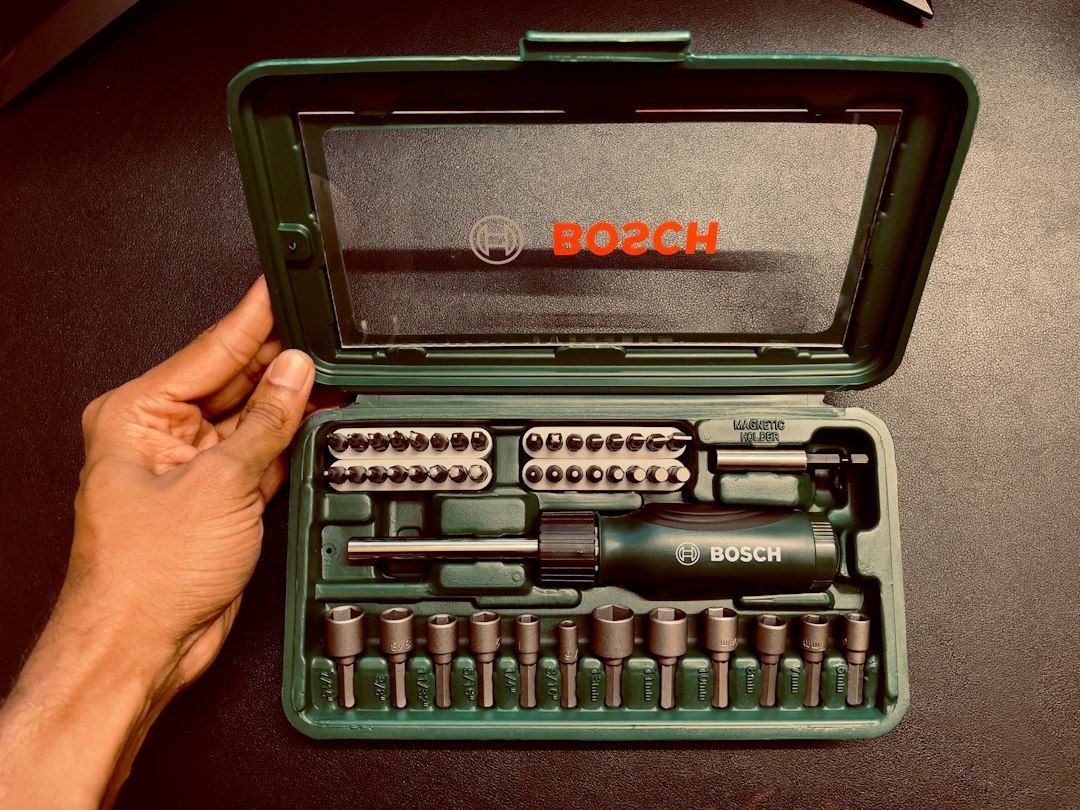
The rapid evolution of compact cordless tools like the Fanttik S1 Pro electric screwdriver underscores a broader transition toward high-density lithium-ion cells and micro-planetary gearboxes in everyday hardware. By combining multi-stage torque selection, integrated LED illumination, and standardized charging into a compact cylindrical chassis, contemporary power tool manufacturers are closing the performance gap between bulky industrial equipment and handheld precision devices. This technical briefing analyzes the underlying component engineering, power management dynamics, and market forces driving modern cordless tool design.
The Evolution of Compact Cordless Precision Tools
For decades, consumer power tools were dominated by high-voltage systems operating at 18V or 20V ratings. While these larger form factors excel at high-torque applications like structural drilling and heavy construction, they lack the fine motor control and ergonomic dexterity required for modern delicate assembly. The growth of home electronics servicing, computational hardware building, and modular flat-pack furniture has created substantial demand for low-voltage micro-drivers.
The modern precision driver fills this gap by utilizing low-voltage Direct Current (DC) motors linked to high-ratio reduction gearheads. Rather than relying on brute force, these tools prioritize operational speed control, minimal axial runout (wobble at the bit tip), and precise torque limits. Consequently, users can perform repetitive fastening tasks without causing mechanical strain or thread stripping on fragile plastic housings.
Technical Architecture: Power Density and Torque Control
Understanding the inner workings of modern cordless drivers requires looking at three key subsystems: energy storage, motor control electronics, and mechanical gear reduction.
Lithium-Ion Integration and Power Management
At the core of the compact electric screwdriver is a high-capacity internal power supply, frequently built around a single-cell 18650 or custom pouch lithium-ion battery. A typical 2,000mAh cell operating at a nominal 3.6V to 3.7V delivers sufficient energy density to drive hundreds of light-duty fasteners on a single charge cycle.
To ensure operational safety and battery longevity, these tools incorporate an onboard Battery Management System (BMS) circuit. The BMS handles several critical functions:
- Over-Current Protection: Prevents motor lockup currents from damaging internal battery chemistry.
- Thermal Monitoring: Restricts operation if internal cell temperatures exceed established safety limits during continuous heavy usage.
- Under-Voltage Cutoff: Prevents deep discharge states that permanently degrade lithium-ion cell capacity.
Mechanical Clutching and Multi-Stage Torque Delivery
Controlling output force is crucial when switching between delicate circuit board fasteners and larger mechanical screws. Manufacturers achieve variable output through two primary methods: electronic current limiting or mechanical spring-loaded clutches.
Multi-stage selector switches allow users to govern the power applied to the drive shaft. Lower torque thresholds restrict the current delivered to the motor (or disengage the drive gear mechanically), preventing over-tightening in sensitive material like printed circuit boards or soft polymers. Higher torque thresholds allow the motor to draw peak amperage, providing the necessary rotational force for wood screws or metal fasteners.
Complementing the motor assembly is the tool-bit interface. Standard 1/4-inch hex drives crafted from S2 hardened alloy steel offer high yield strength and resistance to torsional shearing. Integrating rare-earth magnets into the bit socket helps lock bits in place while magnetizing the fastener itself for easier one-handed installation in tight spaces.
Standardized Charging and Consumer Repair Infrastructure
The widespread shift away from proprietary wall chargers toward standardized USB Type-C power interfaces represents a major quality-of-life upgrade for hardware tools. Integrating USB-C controller chips capable of negotiating standard 5V power profiles eliminates the need for specialized charging cradles or bulk adapters.
This standardization aligns with global regulatory shifts, such as European Union mandates standardizing electronic device charging ports. From a practical standpoint, universal charging compatibility means technicians and DIY hobbyists can recharge precision tools using the same cables already deployed for mobile phones, laptops, and peripheral hardware. This reduces workbench clutter and minimizes electronic waste over the product lifecycle.
Commercial Dynamics and Product Positioning
The pricing landscape for consumer power tools has grown increasingly competitive due to refined direct-to-consumer supply chains and automated manufacturing processes. Equipment that once commanded premium price points in specialized industrial catalogs is now routinely available in the sub-$50 consumer tier.
During key promotional cycles, aggressive pricing strategies serve as an acquisition vector for emerging tool brands. By lowering the entry bar for multi-bit driver sets featuring magnetic cases, integrated auxiliary lights, and dense internal batteries, hardware makers encourage consumers to replace manual hand tools with powered alternatives. This accelerates user adoption and establishes brand affinity across broader product lines.
What to Watch in Next-Generation Micro Power Tools
As the small-format cordless tool market matures, technical innovation will focus on smart features, material improvements, and elevated power efficiency. Key developments to monitor include:
- Brushless Motor Integration: Transitioning from brushed DC motors to Brushless DC (BLDC) motors in sub-50mm enclosures will increase energy efficiency, reduce thermal output, and extend motor lifespan.
- Digital Torque Feedback: Future iterations may replace manual mechanical switches with digital telemetry screens, allowing users to set precise numerical torque thresholds tailored to specific manufacturer torque specs.
- Advanced Fastener Assist Systems: Real-time electronic stall detection algorithms will instantly halt rotational power the moment a fastener seats, entirely eliminating manual overshoot.
- Solid-State Battery Cells: The eventual commercial rollout of solid-state micro-batteries could allow tools to achieve lighter overall form factors while offering higher discharge rates and enhanced thermal stability.
Reporting reference: this briefing is TechWire’s independent analysis. Primary reporting was published by The Verge — read the source article.
Related analysis
x86 Processor Evolution: How Legacy Trade-Offs Won
Explore the x86 processor evolution, from 1970s hardware choices to modern computing compatibility, explaining little-endianness and register design.

NSF Leadership Nomination Collapses Amid Science Policy Crisis
Senate pushback on the NSF leadership nomination highlights growing friction over federal science funding and academic research oversight.

TRMNL Frame: Full Color ePaper Display Canvas Debuts
An analysis of TRMNL Frame, a 31.5-inch full color ePaper display using Spectra 6 tech, custom color engines, and in-house manufacturing.