E-Ink Digital Notebooks: Evaluating Hardware and Ecosystems
Analyze how modern e-ink digital notebooks balance tactile handwriting, color displays, modular hardware, and cloud subscriptions for productivity.
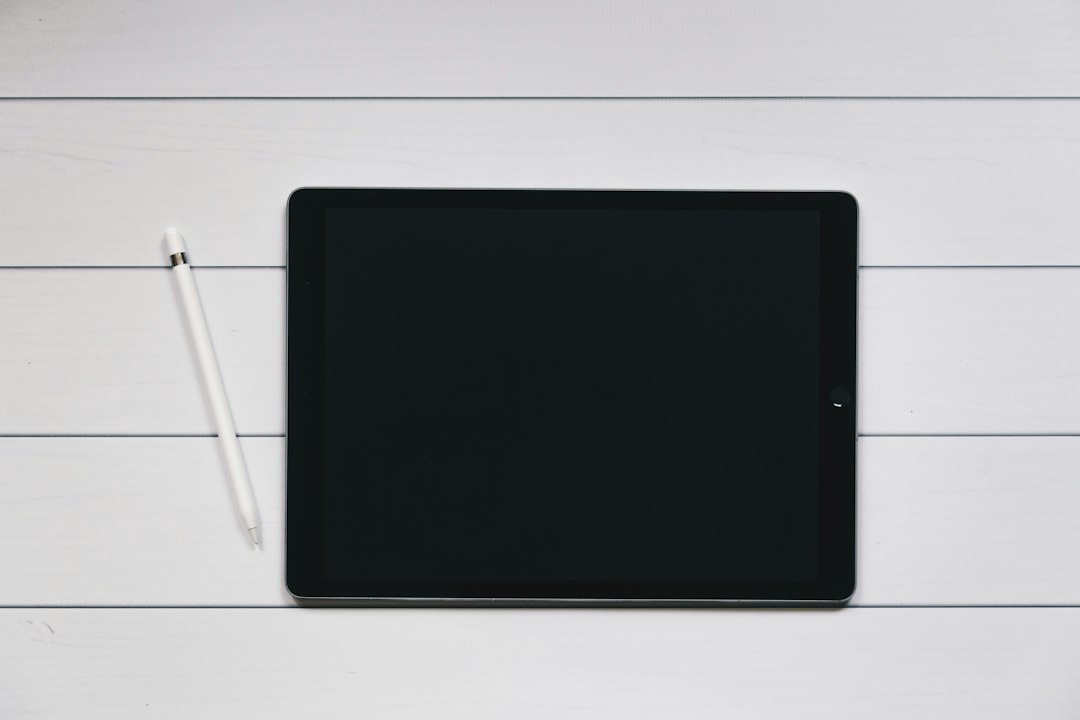
E-ink digital notebooks have evolved from basic e-readers into specialized productivity hardware designed to bridge traditional tactile writing and modern cloud document management. These distraction-free devices rely on electrophoretic displays—screens that manipulate tiny charged particles in microcapsules to mimic ink on paper—to minimize digital fatigue while retaining electronic organization. Selecting the right hardware depends on balancing screen architecture, stylus response, repairability, and subscription-based software ecosystems.
The Evolution of Specialized E-Paper Hardware
While general-purpose tablets rely on high-refresh-rate organic light-emitting diode (OLED) or liquid crystal displays (LCDs), dedicated writing slates prioritize optical comfort and spatial focus. Standard tablets emit light directly into the user's eyes and present continuous interruptions through app notifications. In contrast, electronic paper platforms emphasize single-purpose workflows centered on handwriting, annotation, and static document review.
Recent market shifts demonstrate that manufacturers are diversifying their hardware architecture. Rather than treating electronic paper as a static medium for book reading, vendors are engineering low-latency digitizers, layered display surfaces, and custom stylus interfaces aimed specifically at professionals and students who generate heavy volumes of handwritten notes.
Screen Architecture: Balancing Tactile Friction and Color
The fundamental draw of e-ink digital notebooks is screen feel. Standard glass screens present minimal resistance, causing a stylus to slide smoothly without the tactile feedback of physical paper. Modern e-paper slates overcome this by applying textured film layers or treated glass covers to induce subtle friction against the stylus tip.
Grayscale Clarity Versus Color Integration
Hardware engineers face clear trade-offs when introducing color into e-paper displays:
- Monochrome Panels: Deliver higher contrast ratios, brighter backgrounds, and sharper text density because they do not require extra filter layers over the display substrate.
- Color E-Paper Panels: Utilize microscopic pigment arrays or overlay filters to display multiple hues, ideal for annotating textbooks or color-coding workflows, but often sacrifice base screen brightness and overall sharpness.
- Ambient Front-Lighting: Integrated illumination layers allow writing in dark environments without producing the harsh glare associated with back-lit smartphone screens.
For instance, larger slates like the ReMarkable Paper Pro leverage expansive display real estate (spanning roughly 11.8 inches) alongside front-light technology to facilitate detailed markups in low-light environments. Meanwhile, hybrid units like the Kobo Libra Colour integrate color layers into smaller, highly portable form factors optimized for reading books and jotting down fast margin notes.
Modular Design and Hardware Longevity Trends
A critical divergence in the smart notebook sector centers on repairability and hardware longevity. Traditional consumer electronics frequently seal batteries and memory components beneath bonded glass and industrial adhesives, forcing users into full device replacement when components degrade.
A growing subset of hardware makers is challenging this model through modular construction. The Supernote series, including the full-sized Manta and compact Nomad models, incorporates user-accessible internals. By allowing owners to swap out batteries, replace system motherboards, and expand storage using standard microSD cards, these designs extend the operational lifespan of the hardware far beyond standard consumer electronics upgrade cycles.
This repair-friendly approach reduces electronic waste and appeals to enterprise and academic users who require long-term reliability for local data storage without depending entirely on remote cloud architecture.
Software Ecosystems and Cloud Integration
The utility of digital note-taking hardware relies heavily on software integration. A device may offer an exceptional physical writing feel, but if exporting notes to a primary workstation is cumbersome, productivity drops significantly.
Cloud Synchronization and Subscription Subsidies
Manufacturers deploy varied business models to balance ongoing server maintenance with initial hardware costs:
- Subscription-Tied Cloud Services: Platforms such as ReMarkable's Connect tier reserve advanced capabilities—such as automated background cloud backup, full optical character recognition (OCR) handwriting search, and desktop integration extensions—behind recurring monthly fees.
- Direct Third-Party Integration: Alternative systems permit native syncing directly with major public cloud repositories (such as Google Drive, Microsoft OneDrive, and Dropbox) or local storage cards without requiring active subscription accounts.
- Local File Management: Desktop companion apps and browser plugins facilitate seamless drag-and-drop transfer of PDF documents, web articles, and customized templates, catering to specialized use cases like digital planning or table-top gaming sheets.
Optical character recognition has become a central battleground for device utility. Converting handwritten cursive into searchable, plain-text documents allows users to index years of meeting logs, making advanced OCR indexing a primary driver for cloud software updates.
Stylus Engineering and Ergonomic Factors
The stylus interface represents half of the writing experience. Most modern e-ink digital notebooks utilize Electromagnetic Resonance (EMR) technology, which draws passive power from the tablet screen, eliminating the need for internal stylus batteries or wired charging.
Ergonomic variations radically alter user experience across competing brands:
- Digital Erasers: Top-tier styluses incorporate dedicated tail-cap sensors that trigger software erasing mechanisms when flipped, simulating a physical pencil eraser.
- Textured Nib Composites: Nib materials range from soft felt compounds that wear down intentionally to replicate pencil graphite, to ceramic nibs that never wear out when paired with specialized self-healing screen films.
- Third-Party Pen Compatibility: Standardized EMR protocols allow users to adopt stylized third-party pens—such as metal-bodied styluses or replicas of classic fountain pens—tailoring weight distribution and grip to individual preference.
Choosing between compact 7-inch slates for rapid micro-task management and expansive 11-inch platforms for multi-document research ultimately hinges on individual mobility requirements versus visual workspace needs.
What to Watch Next in the E-Paper Market
As competition intensifies across the digital notebook industry, several technological developments will dictate the next phase of market evolution:
- Faster Screen Refresh Rates: Display controller advancements will further diminish latency, closing the millisecond gap between physical stylus movement and digital ink rendering.
- Widespread Color Adoption: Expect color e-paper technology to become brighter and higher resolution, bringing vibrant annotation tools to mid-tier price points.
- On-Device Artificial Intelligence: Advanced handwriting recognition will transition from remote cloud servers directly onto local device processors, enabling instant offline note searching while protecting user privacy.
- Expanded Modular Standards: As regulatory pressures push consumer tech toward repairability, more brands will likely adopt modular, user-serviceable internals similar to pioneer repair-friendly designs.
Reporting reference: this briefing is TechWire’s independent analysis. Primary reporting was published by WIRED — read the source article.
Related analysis
x86 Processor Evolution: How Legacy Trade-Offs Won
Explore the x86 processor evolution, from 1970s hardware choices to modern computing compatibility, explaining little-endianness and register design.

NSF Leadership Nomination Collapses Amid Science Policy Crisis
Senate pushback on the NSF leadership nomination highlights growing friction over federal science funding and academic research oversight.

TRMNL Frame: Full Color ePaper Display Canvas Debuts
An analysis of TRMNL Frame, a 31.5-inch full color ePaper display using Spectra 6 tech, custom color engines, and in-house manufacturing.