datacenter fire suppression risks
Datacenter Fire Suppression Risks: Lessons From Jane Street
Analyze how automated fire suppression risks and cooling failures exposed hidden datacenter infrastructure vulnerabilities, shaping modern system…
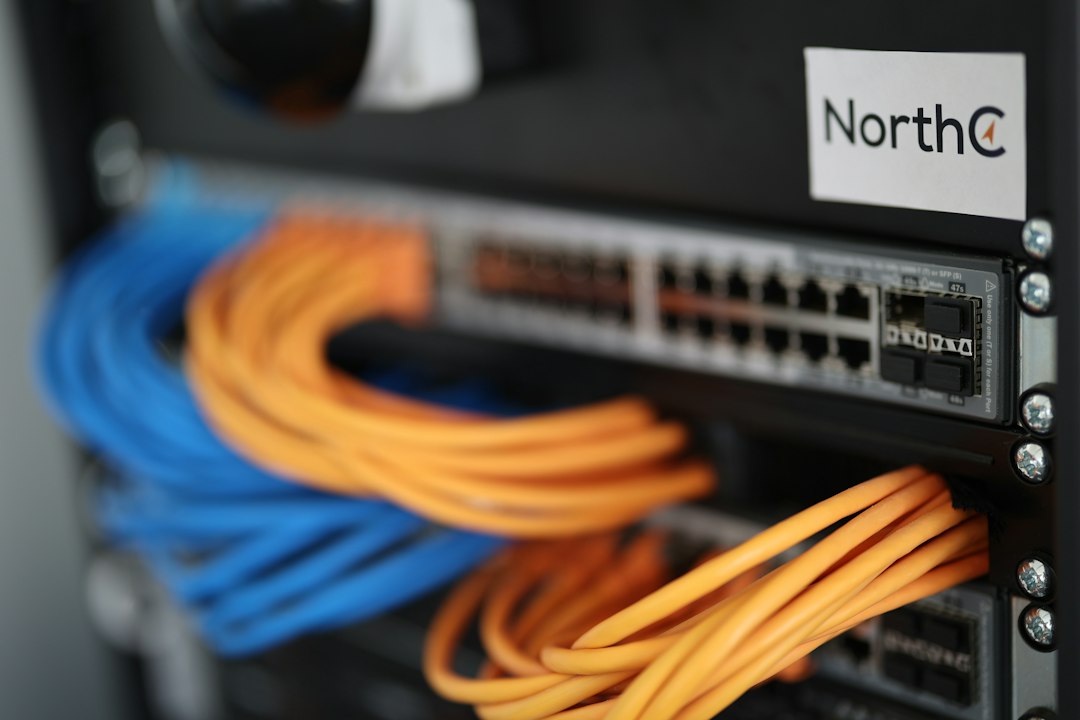
Modern high-frequency trading firms depend on ultra-low latency infrastructure, yet physical server environments remain vulnerable to severe operational edge cases. A technical post-mortem from a former systems engineer at quantitative trading powerhouse Jane Street highlights how automated safety protocols can inadvertently trigger catastrophic failures. When construction dust triggered a false smoke alarm in their historical Manhattan server facility, automated safety systems cut off room cooling while pressurizing overhead water pipes, creating a near-fatal race condition between ambient heat buildup and water discharge.
This incident underscores how critical system interdependencies can transform minor non-events into business-threatening crises. Understanding the mechanical, architectural, and monitoring dynamics of this event provides key insights for enterprise infrastructure architects and disaster recovery planners.
The Mechanics of Cascading Infrastructure Failure
To prevent water leaks from damaging sensitive computing hardware, modern enterprise server rooms utilize specialized fire suppression configurations known as dry-pipe sprinkler systems. Unlike standard wet-pipe plumbing found in residential buildings, dry-pipe systems maintain empty overhead pipes under normal conditions. Water is only admitted into the physical piping network when an electronic smoke detector signals a potential fire event.
However, water admission into the pipes does not immediately flood the room. The individual sprinkler heads remain sealed by heat-sensitive glass bulbs or fusible solder plugs. These plugs act as mechanical thermal triggers, melting or bursting only when localized ambient air temperatures exceed a designated threshold—typically between 135°F and 165°F (57°C to 74°C).
The Automated Cooling Cutoff Dilemma
The architectural flaw during the Jane Street incident arose from the direct coupling between the fire alarm system and the facility's Computer Room Air Conditioner (CRAC) units. To prevent HVAC airflow from oxygenating a potential flame or spreading smoke throughout an office tower, safety regulations dictate that fire alarms automatically shut down air recirculation systems.
In a high-density compute environment, turning off CRAC units causes immediate, localized thermal spikes. High-performance servers draw significant wattage, generating immense thermal energy that dissipates into ambient air. Without active refrigeration and airflow, localized temperatures inside server cabinets can rise by multiple degrees per minute.
In this specific case, non-hazardous construction dust in an adjacent room triggered the smoke detectors. The system responded predictably: pressurizing the overhead sprinkler pipes with water and disabling the CRAC units. The lack of active cooling created a rapid temperature ramp toward the 150°F threshold required to melt the sprinkler plugs—threatening to douse fully energized server racks with pressurized water in response to a non-existent fire.
Physical Intervention vs. Remote Management Systems
The incident highlights a legacy dilemma in financial tech infrastructure: the reliance on physical proximity and manual intervention versus automated out-of-band management. At the time, Jane Street opted to maintain server infrastructure inside its primary headquarters rather than at remote co-location facilities. This choice was driven partly by intellectual property protection concerns and a institutional desire to maintain physical power-severing capabilities to halt runaway trading algorithms.
[False Smoke Trigger]
       │
       ├─► [Pipes Pressurized with Water]
       │
       └─► [CRAC Units Automatically Shut Down]
                 │
                 ▼
      [Ambient Temp Rises Rapidly]
                 │
                 ▼
   [Approaches Thermal Trigger (~150°F)]
                 │
                 ▼
   [Manual Intervention Required]
When the cooling failure occurred, the resolution relied on human speed. A local engineer physically ran to the facility, entered the rapidly warming enclosure, and manually disconnected power cables across dozens of server racks to stop thermal output before ambient air hit the critical activation threshold.
While effective in this instance, manual intervention represents a single point of operational vulnerability:
- Human Latency: Physical response times are constrained by geographic proximity, elevator delays, and physical access controls.
- Environmental Hazards: Entering an unventilated server room with ambient temperatures climbing past 140°F presents thermal stress risks to personnel.
- Manual Execution Errors: Unplugging equipment under high pressure increases the risk of damaging power distribution units (PDUs) or dropping active connections prematurely.
Rethinking Enterprise Fleet Telemetry and Monitoring
A critical takeaway from the event was the failure of standard server-level alerting to capture systemic environmental risks. Individual Linux servers routinely experience temporary CPU thermal spikes under heavy computational workloads. Consequently, standard monitoring thresholds were configured to ignore isolated server heat alerts to avoid alert fatigue.
However, isolated thresholds fail to detect multi-node environmental trends. While a single server at 120°F is normal, fifty adjacent servers experiencing a simultaneous step-function rise in ambient temperature indicates an external cooling failure.
Building Aggregate Metric Surveillance
To remediate this monitoring blind spot, the engineering team designed an independent fleet-wide monitoring service written in OCaml, the firm's core functional programming language. Rather than relying solely on dedicated facility sensors—which can suffer from single-point telemetry failures or slow polling cycles—the system queries the onboard baseboard management controller (BMC) or operating system thermal sensors of every deployed server in real time.
Key features of robust aggregate telemetry include:
- Mean Temperature Calculation: Computing real-time moving averages across host clusters to distinguish workload spikes from room-level thermal runaway.
- Trend Vector Analysis: Alerting on the rate of temperature change ($ΔT/Δt$) rather than static temperature limits.
- De-coupled Alert Infrastructure: Operating monitoring daemons on dedicated, out-of-band networks that remain active even when core network switches enter thermal throttling.
Structural Changes in Modern Datacenter Design
Since this historic incident, enterprise datacenter engineering has undergone significant evolution. Modern high-frequency trading firms and cloud service providers have largely eliminated in-office machine rooms in favor of enterprise co-location facilities equipped with multi-stage hazard mitigation.
| Legacy In-House Server Rooms | Modern Enterprise Datacenters |
|---|---|
| Direct HVAC shutdown linked to simple smoke alarms | Multi-stage smoke detection (VESDA) with aspirating air sampling |
| Standard dry-pipe water sprinklers overhead | Novec 1230 / FM-200 clean agent gas suppression systems |
| Manual power cord disconnect protocols | Remote intelligent PDU power shedding and automated kill switches |
| Basic single-host thermal alerts | AI-driven spatial thermal mapping and predictive airflow adjustment |
Modern facilities utilize Very Early Smoke Detection Apparatus (VESDA) systems, which continuously sample air for microscopic combustion particles to prevent false positives caused by coarse ambient dust. Furthermore, gaseous fire suppression agents (such as Novec 1230 or ECaro-25) have replaced water-based systems in high-density computer rooms. These chemical agents extinguish fires by removing heat at the molecular level without conducting electricity or damaging sensitive circuitry.
What to Watch Next in Infrastructure Operations
As artificial intelligence workloads push server rack power densities from 10 kW to over 100 kW per cabinet, physical facility risks are returning to the forefront of technology analysis. High-density liquid cooling loops, direct-to-chip cold plates, and rear-door heat exchangers introduce new liquid leakage and thermal containment challenges.
Key areas to monitor in next-generation facility architecture include:
- Liquid Cooling Containment: The adoption of dielectric fluid immersion and closed-loop liquid cooling creates new mechanical failure modes that require specialized environmental sensing.
- Autonomous Power Shedding: Automated control systems that dynamically adjust server power caps (via IPMI/Redfish APIs) when cooling drops are detected, buying critical minutes without manual intervention.
- Regulatory Fire Safety Codes: Updates to municipal building codes regarding lithium-ion UPS battery room isolation and clean-agent gaseous fire suppression mandates in urban high-rises.
Reporting reference: this briefing is TechWire’s independent analysis. Primary reporting was published by Michael Bacarella — read the source article.
Related analysis

x86 Processor Evolution: How Legacy Trade-Offs Won
Explore the x86 processor evolution, from 1970s hardware choices to modern computing compatibility, explaining little-endianness and register design.

NSF Leadership Nomination Collapses Amid Science Policy Crisis
Senate pushback on the NSF leadership nomination highlights growing friction over federal science funding and academic research oversight.

TRMNL Frame: Full Color ePaper Display Canvas Debuts
An analysis of TRMNL Frame, a 31.5-inch full color ePaper display using Spectra 6 tech, custom color engines, and in-house manufacturing.