Compact Smartphone Market Faces Reality Test with New Hardware
An analysis of the compact smartphone market, exploring why small displays face manufacturing hurdles, software dilemmas, and hardware unit economics.
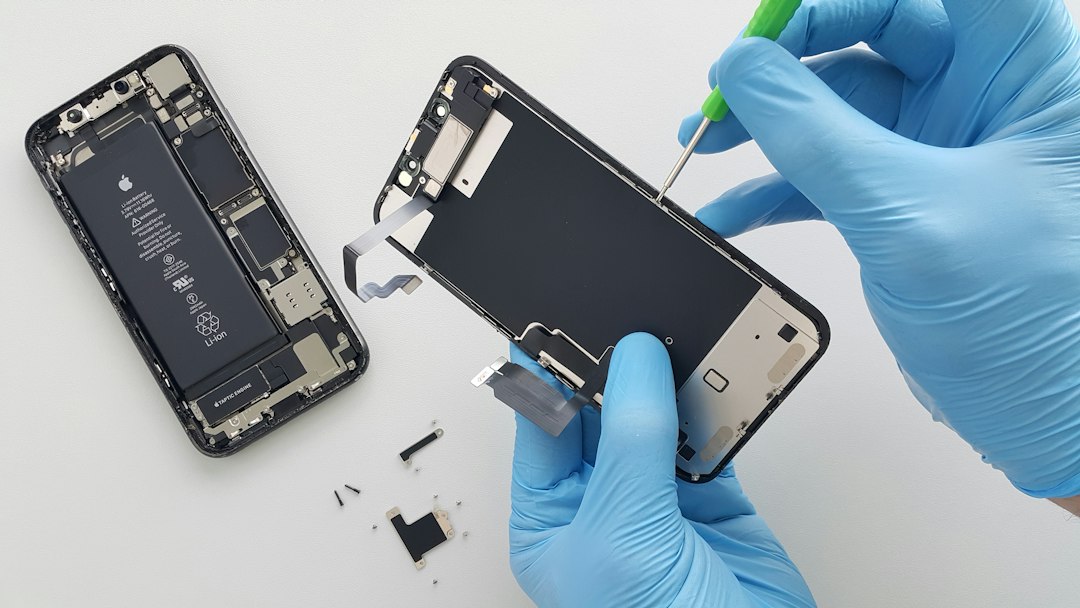
The persistent consumer nostalgia for small-footprint mobile devices faces a concrete commercial test with the launch of the Enough Phone, a compact device centered around a 5.3-inch display. While online enthusiasm for manageable screen sizes remains high, the broader mobile sector has systematically migrated toward display panels exceeding 6.5 inches to maximize media consumption and battery volume. This analysis examines the technical compromises, supply chain realities, and software choices required to bring a small-format handset to market under modern hardware economics.
The Sourcing and Spatial Bottlenecks of Small Displays
Building a pocket-friendly device in the contemporary technology ecosystem presents immediate supply chain hurdles. Global display fabrication facilities have optimized their production lines for larger substrate cuts, making high-quality, small-diagonal panels increasingly scarce and expensive on a per-unit basis. The 5.3-inch panel selected for this project represents an effort to secure reliable component yields without resorting to outdated display technologies.
Beyond panel procurement, small chassis designs impose severe spatial limitations on internal components:
- Thermal Management: Compact enclosures retain heat more readily, restricting the thermal envelope available for high-performance system-on-chips (SoCs). Utilizing a mid-range MediaTek processor allows the device to balance performance with thermal stability.
- Camera Hardware: Multi-lens arrays consume valuable volumetric space. Settling on a single rear camera module frees up internal real estate while lowering licensing and component costs.
- Biometric Integration: Rather than allocating internal space or display layers for under-screen optical sensors, shifting the fingerprint sensor to the physical power button optimizes internal routing.
Modular Assembly and the Return of User-Serviceable Batteries
Modern flagship devices achieve thin profiles by adhering structural glass and metal with industrial adhesives, effectively sealing the internal cavity. To counter this trend, the designers have opted for a user-accessible chassis secured by standard screws, allowing direct access to the battery compartment.
This structural choice mirrors design philosophies seen in repairability-focused brands like Fairphone, but it comes with distinct engineering trade-offs. Accommodating a user-replaceable battery requires protective casing around the cell, internal contact pins, and a rigid backplate—all of which add physical thickness compared to glued lithium-polymer pouches. Consequently, while the phone maintains a compact horizontal and vertical footprint comparable to older small flagships, its overall depth is noticeably greater.
Additionally, mechanical enclosures present unique challenges for environmental sealing. Achieving high Ingress Protection (IP) ratings for dust and water resistance becomes significantly more complex and costly when the outer shell is designed for consumer disassembly. The project's willingness to trade ultra-thin aesthetics for long-term repairability signals a clear prioritization of functional longevity over minimalist industrial design.
Dual Software Strategy: Balancing Ecosystem Access and Minimalism
The device addresses a growing split in consumer preference by offering two distinct operating system options at launch. The default configuration features a fully certified build of Android 17, granting users access to standard mobile services, application ecosystems, and security frameworks.
Alternatively, users can opt for OdysseyOS, a stripped-down, privacy-focused operating system derived from open-source Android. This environment actively restricts traditional smartphone functionality—omitting standard web browsers and application stores—to function similarly to a basic feature phone. By offering this software configuration, the product targets the growing digital detox movement without requiring hardware redesigns.
Software Support Horizons versus Startup Lifespans
The initiative has committed to providing software updates through 2032. Long-term software maintenance is essential for modern hardware viability, yet multi-year commitments carry inherent risks for independent ventures. While established technology conglomerates maintain dedicated software teams to back extended support timelines, boutique hardware projects must sustain developer resources over half a decade, making execution subject to ongoing company stability.
Production Risk and Carrier Certification Challenges
Launching new hardware via crowdfunding introduces long lead times between initial backing and final delivery, with current shipments projected for mid-2027. In the consumer electronics space, a multi-quarter development cycle leaves projects vulnerable to shifting component costs and hardware obsolescence. The development team's background as an Original Design Manufacturer (ODM) provides operational experience in supply chain coordination, yet transitioning from contract manufacturing to managing a consumer brand involves distinct logistics and customer support complexities.
Network compatibility represents another significant operational hurdle:
- Band Allocation: Ensuring global 5G band support requires purchasing and tuning complex RF front-end modules.
- Carrier Interoperability: Major North American carriers enforce strict network certification processes for unlocked devices. Without formal certification, users on restrictive networks may experience limited connectivity or lack access to Voice over LTE (VoLTE) and Wi-Fi calling.
- Tiered Pricing Structure: The launch strategy uses tiered pricing, scaling from an early backer price of $399 up to a final suggested retail price of $599, reflecting the rising baseline cost of small-batch component manufacturing.
What to Watch in the Compact Mobile Space
The success of this initiative will serve as an indicator for whether the compact smartphone market possesses genuine commercial momentum or remains a vocal online niche. Over the coming quarters, key indicators will include the completion of final chassis durability testing, the finalization of battery capacity metrics, and the formal announcement of carrier compatibility lists. Most crucially, tracking whether the underlying supply chain can sustain low-volume, small-display production will reveal whether independent hardware makers can continue to fill the gaps left by major smartphone OEMs.
Reporting reference: this briefing is TechWire’s independent analysis. Primary reporting was published by Ars Technica — read the source article.
Related analysis

x86 Processor Evolution: How Legacy Trade-Offs Won
Explore the x86 processor evolution, from 1970s hardware choices to modern computing compatibility, explaining little-endianness and register design.

NSF Leadership Nomination Collapses Amid Science Policy Crisis
Senate pushback on the NSF leadership nomination highlights growing friction over federal science funding and academic research oversight.

TRMNL Frame: Full Color ePaper Display Canvas Debuts
An analysis of TRMNL Frame, a 31.5-inch full color ePaper display using Spectra 6 tech, custom color engines, and in-house manufacturing.