Camera-Free Smart Glasses: Why Ray-Ban Meta Audio Succeeds
Discover why camera-free smart glasses like the Ray-Ban Meta Audio excel by prioritizing privacy, long battery life, and ambient voice computing.
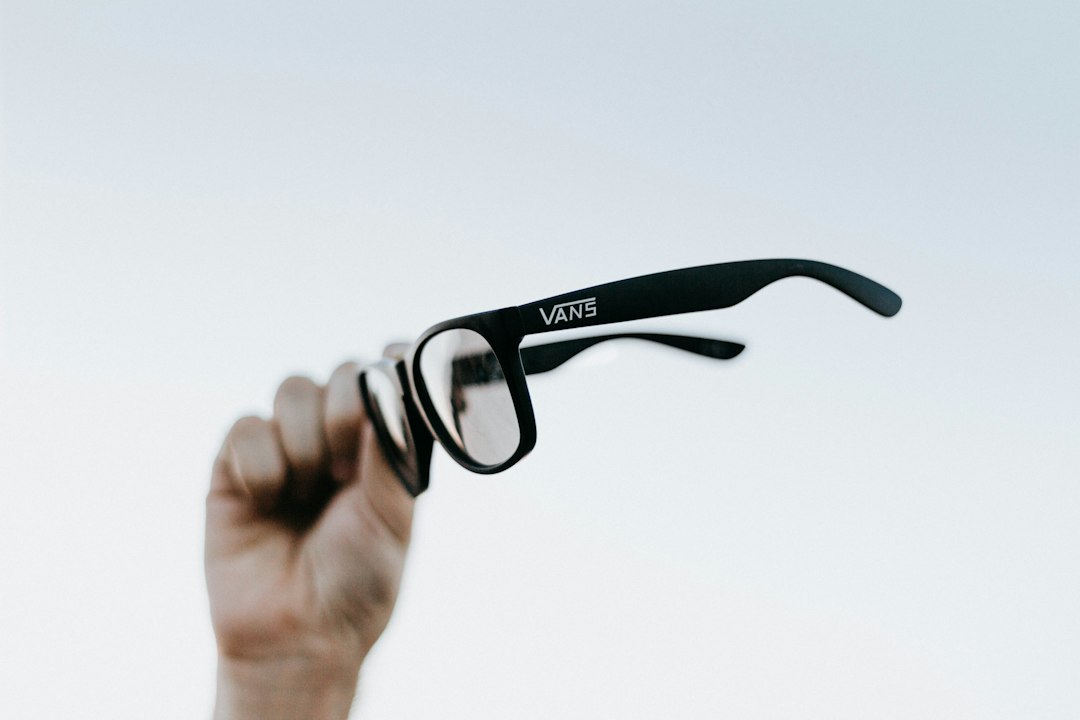
The emergence of camera-free smart glasses like the Ray-Ban Meta Audio marks a pivotal strategic realignment in consumer wearable technology. By shedding optical image sensors, hardware developers are successfully trading high-friction video recording features for lighter form factors, superior battery efficiency, and instant public acceptance. This evolution redefines head-worn tech from a controversial content-capture device into an unobtrusive, audio-centric ambient computing node.
For years, tech conglomerates envisioned smart eyewear as an extension of visual social networks, prioritizing embedded cameras to record media directly from the wearer's perspective. However, that approach routinely encountered consumer resistance, social anxiety, and regulatory scrutiny. Eliminating optical components creates a radically simplified product that zeroes in on high-utility micro-interactions such as real-time voice assistance, turn-by-turn navigation, and background audio streaming.
The Strategic Shift From Visual Capture to Audio Wearables
Early hardware iterations in the smart eyewear market attempted to serve as primary content creation tools. Tech companies embedded high-resolution image sensors into frame temples, targeting content creators and social media power users. While technically impressive, this architecture created severe product friction. The computational overhead of capturing, processing, and encoding video rapidly degraded battery performance while generating significant thermal output near the user's face.
Pivoting toward an audio-first architecture directly resolves these engineering hurdles. Without the necessity of continuous image signal processing, the main board architecture consumes dramatically less power. Furthermore, the product focus shifts from broadcast media to personal utility. Wearers interact with intelligent assistants through natural language prompts, receiving concise audio cues without interrupting their visual connection to the surrounding environment.
This shift reflects a broader maturation in the ambient computing sector. Rather than forcing users into immersive or visually cluttered displays, audio-only wearables seamlessly blend synthetic audio with environmental sounds. The result is a lightweight peripheral that operates as a natural extension of a smartphone rather than a heavy, specialized recording device.
Hardware Optimization: Weight, Battery, and Acoustic Engineering
Removing optical modules yields immediate physical benefits in wearable design. Camera sensors, lens assemblies, image signal processors, and dedicated thermal dissipation plates add substantial bulk to standard eyewear frames. By stripping these components, hardware engineers can significantly reduce overall mass.
- Weight Reduction: Optical-free frames routinely drop below 50 grams, bringing smart eyewear remarkably close to the weight profile of traditional luxury sunglasses.
- Power Efficiency: Without power-hungry camera sensors, energy draw plummets, enabling operational runtimes of 12 hours or more on a single charge.
- Structural Symmetry: Eliminating asymmetric camera cutouts allows for cleaner aesthetic styling and improved weight distribution across the nose bridge and ears.
- Acoustic Performance: Saved internal volume can be repurposed for larger speaker cavities or optimized battery cells, enhancing sound delivery.
From an acoustic standpoint, open-ear directional speakers present distinct engineering advantages and trade-offs. Micro-drivers situated in the temple arms beam sound directly into the ear canal, preserving spatial awareness for outdoor activities like running or commuting. While this configuration inherently lacks the deep low-frequency bass response of sealed in-ear monitors and allows minor sound leakage at high volumes, it offers superior safety and comfort for long-term wear.
Privacy Realities and the Eradication of Bystander Friction
To understand why camera-free smart glasses are gaining momentum, one must look at the persistent social taboos surrounding smart eyewear. Visible lens apertures on face-worn hardware trigger widespread privacy concerns in public spaces, gymnasiums, and private gatherings. Bystanders often feel uncomfortable when speaking to someone wearing visible cameras, suspecting covert recording or back-end biometric profiling.
Attempts to mitigate bystander discomfort using bright LED recording indicators faced constant skepticism, as hardware modifiers frequently found methods to obscure or disable external light arrays. Furthermore, concerns regarding facial recognition integration created lingering regulatory resistance in multiple international jurisdictions.
By fully removing image capture hardware, device makers bypass these ethical and legal dilemmas entirely. A frame without lenses or image sensors provides absolute structural proof that no visual surveillance is occurring. Users can wear these devices in corporate offices, fitness centers, and social venues without inviting scrutiny or awkward social encounters. Data capture is strictly constrained to intentional voice prompts processed by cloud or on-device AI algorithms.
Comparing Wearable Paradigms: Audio Eyewear vs. Visual AR
Evaluating the broader wearable landscape reveals clear divisions between lightweight audio frames and full augmented reality (AR) headsets. The functional contrast highlights why audio-only solutions are currently winning the consumer adoption race.
Primary Functional Differences
- Utility Focus: Audio eyewear emphasizes hands-free notifications, voice AI queries, and media playback. AR headsets focus on 3D spatial overlays, virtual screens, and complex visual interaction.
- Thermal and Ergonomic Envelope: Camera-free audio glasses maintain standard eyewear ergonomics under 50 grams, whereas visual AR systems require active cooling, thick waveguides, and heavy nose pieces often exceeding 70 to 100 grams.
- Battery Longevity: Audio-centric designs comfortably offer full-day utility (10–12+ hours), while visual spatial displays typically drain onboard cells within 1 to 3 hours of continuous operation.
- Consumer Pricing: Stripping expensive optics and micro-displays keeps retail pricing competitive with premium traditional sunglasses, avoiding the extreme cost barrier of advanced display glass.
What to Watch: The Future of Stealthy Ambient AI
As the smart eyewear segment matures, expect major technology competitors to expand their audio-only portfolios alongside high-end visual AR research. The immediate priority for hardware vendors will be integrating increasingly sophisticated conversational AI models directly into lightweight frames.
Future iterations will likely feature advanced low-power beamforming microphone arrays to filter out heavy wind and environmental noise, ensuring seamless voice command processing during fast-paced activity. Additionally, context-aware artificial intelligence will leverage low-power sensor suites—such as accelerometers, gyroscopes, and ambient noise sensors—to deliver hyper-relevant audio prompts based on motion and location without ever needing a camera lens.
Ultimately, camera-free smart glasses demonstrate that subtracting controversial features can significantly multiply a product's real-world appeal. By focusing strictly on acoustic comfort, long battery life, and unobtrusive utility, hardware designers have finally cracked the formula for daily wearable engagement.
Reporting reference: this briefing is TechWire’s independent analysis. Primary reporting was published by WIRED — read the source article.
Related analysis

Digital Calendar Voice Assistant Models Shift Smart Home Market
Analyzing how digital calendar voice assistant integrations signal a shift toward subscription-backed smart displays and dedicated household management…
x86 Processor Evolution: How Legacy Trade-Offs Won
Explore the x86 processor evolution, from 1970s hardware choices to modern computing compatibility, explaining little-endianness and register design.

NSF Leadership Nomination Collapses Amid Science Policy Crisis
Senate pushback on the NSF leadership nomination highlights growing friction over federal science funding and academic research oversight.