apple intelligence china launch
Apple Intelligence China Launch Arrives in iOS 27.3
The Apple Intelligence China launch begins with iOS 27.3 beta, combining localized on-device models and Alibaba Qwen integration for regulatory compliance.
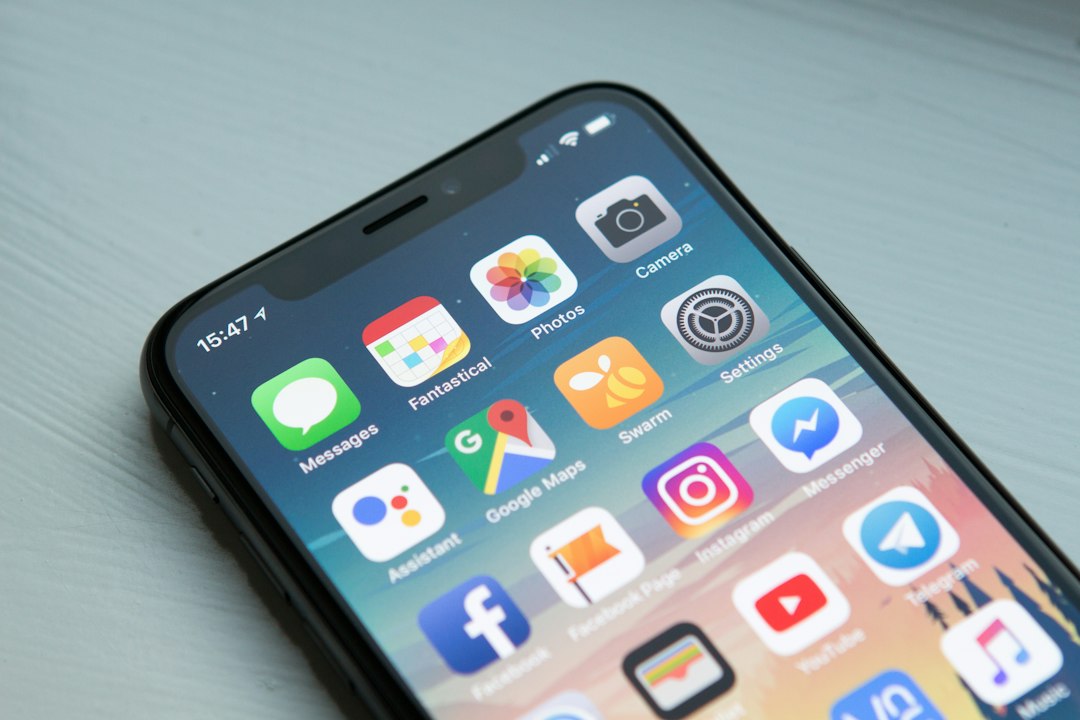
Apple has formally announced the expansion of its artificial intelligence suite to mainland China, beginning with an upcoming beta preview for iOS 27.3. The localized rollout relies on customized on-device models along with a strategic partnership with Alibaba to comply with strict domestic regulations governing generative software. While core writing and image processing capabilities will debut shortly, full natural language voice assistance remains deferred to subsequent software revisions.
Navigating Mainland Regulatory Landscapes for Consumer AI
Deploying generative artificial intelligence within the Chinese market presents unique structural and regulatory hurdles for foreign technology firms. Domestic law mandates that any public-facing large language model must undergo rigorous government vetting before commercial distribution. This regulatory framework requires algorithms to adhere to strict content standards and ensure user data processed in cloud environments remains housed on domestic servers.
To satisfy these mandates, Apple secured regulatory clearance after adapting its generative architecture specifically for the region. Rather than deploying the exact server-side models used in Western markets, the firm trained bespoke localized models designed to operate within regional parameters. This localized approach allows on-device processing to function reliably while maintaining strict alignment with government compliance requirements.
On-Device versus Cloud-Based Processing Constraints
- Localized On-Device Models: Custom-trained neural networks executed directly on local hardware chips maintain baseline user privacy and bypass continuous internet connectivity needs for basic tasks.
- Domestic Server Infrastructure: Any secondary processing requiring external server infrastructure must run on localized data centers operating strictly under local jurisdiction rules.
- Government Safety Verification: Software suites must pass rigorous algorithm evaluations before securing final clearance for consumer hardware integration.
Initial Utility Set: What Mainland Users Receive First
The initial software package introduced in the iOS 27.3 preview focuses on targeted productivity enhancements and photo manipulation utilities. Essential writing tools—such as text rewriting, automated proofreading, and summary generation—form the baseline of the software package. Notification summaries will also help manage message flows by identifying priority information directly on the lock screen.
Visual processing tools are similarly front-loaded in this release. Users gain access to intelligent object deletion tools within the photo editing interface, alongside visual recognition features capable of indexing and querying real-world objects captured via the camera. Live translation capabilities are also included to assist with cross-language communication.
Deferred Features and the Next-Generation Assistant
Crucially, this rollout omits the redesigned voice assistant interface. The upgraded Siri architecture—designed to process complex personal context and execute actions across disparate applications—is not included in the preliminary release. Apple appears to be taking a phased approach, stabilizing core writing and vision tasks locally before introducing advanced conversational capabilities that require deeper contextual comprehension and secondary regulatory review.
The Strategic Role of Alibaba Qwen Integration
A pivotal component of Apple's global AI strategy involves handing off complex analytical tasks to external third-party models when on-device processing hits its limit. Outside of China, Apple established this bridge using OpenAI's ChatGPT. However, because foreign cloud-based AI providers are prohibited from operating directly within China, Apple required an established local alternative.
By partnering with Alibaba to integrate its Qwen model, Apple bridges this capability gap within the mainland ecosystem. When a user prompt exceeds the scope of native on-device capabilities, system-level prompts can route requests to Qwen's engine.
This partnership carries several technical and operational implications:
- Seamless System Extensions: Qwen provides deep knowledge synthesis and broad search queries that extend native system capabilities without leaving the user interface.
- Data Privacy Boundaries: System prompts explicitly request user authorization before sending contextual payload data to external servers.
- Localized Contextual Relevance: Alibaba's model brings granular understanding of local digital platforms, services, and cultural nuances that international models often lack.
Commercial Relevance in an Intense Mobile Market
The launch of localized AI capabilities is essential for Apple's broader commercial position in Greater China, one of its largest and most competitive hardware markets. Local smartphone manufacturers—including Huawei, Xiaomi, Vivo, and Honor—have aggressively marketed deeply embedded generative features across their flagship lineups for multiple product cycles.
Without native AI capabilities, Apple faced potential market share erosion among premium smartphone buyers who prioritize cutting-edge machine learning tools. Delivering these capabilities via iOS 27.3 levels the competitive playing field, ensuring hardware buyers do not need to switch platforms to access conversational search, object removal, or writing assistance.
Key Milestones and What to Watch Next
As the rollout progresses from developer previews to general availability, several key indicators will determine the success of Apple's localized deployment strategy:
- Beta Deployment Schedule: The initial developer testing window begins in early November, providing early feedback on system stability and localized accuracy.
- December Public Release: General availability via iOS 27.3 will expose the localized tools to millions of consumer devices across mainland China.
- Next-Generation Siri Timeline: Industry observers will monitor regulatory filings to see when the redesigned voice engine receives clearance for deployment.
- Third-Party Ecosystem Adoption: Developer adoption of local API hooks will reveal how deeply Chinese app creators integrate Apple's localized models into their software ecosystems.
Reporting reference: this briefing is TechWire’s independent analysis. Primary reporting was published by The Verge — read the source article.
Related analysis
x86 Processor Evolution: How Legacy Trade-Offs Won
Explore the x86 processor evolution, from 1970s hardware choices to modern computing compatibility, explaining little-endianness and register design.

NSF Leadership Nomination Collapses Amid Science Policy Crisis
Senate pushback on the NSF leadership nomination highlights growing friction over federal science funding and academic research oversight.

TRMNL Frame: Full Color ePaper Display Canvas Debuts
An analysis of TRMNL Frame, a 31.5-inch full color ePaper display using Spectra 6 tech, custom color engines, and in-house manufacturing.