Amazon Kindle Click Page Turner: E-Reader Remote Analysis
Amazon launched the Kindle Click page turner, an official $35 Bluetooth remote. Here is our analysis of its strategy, accessibility, and market impact.
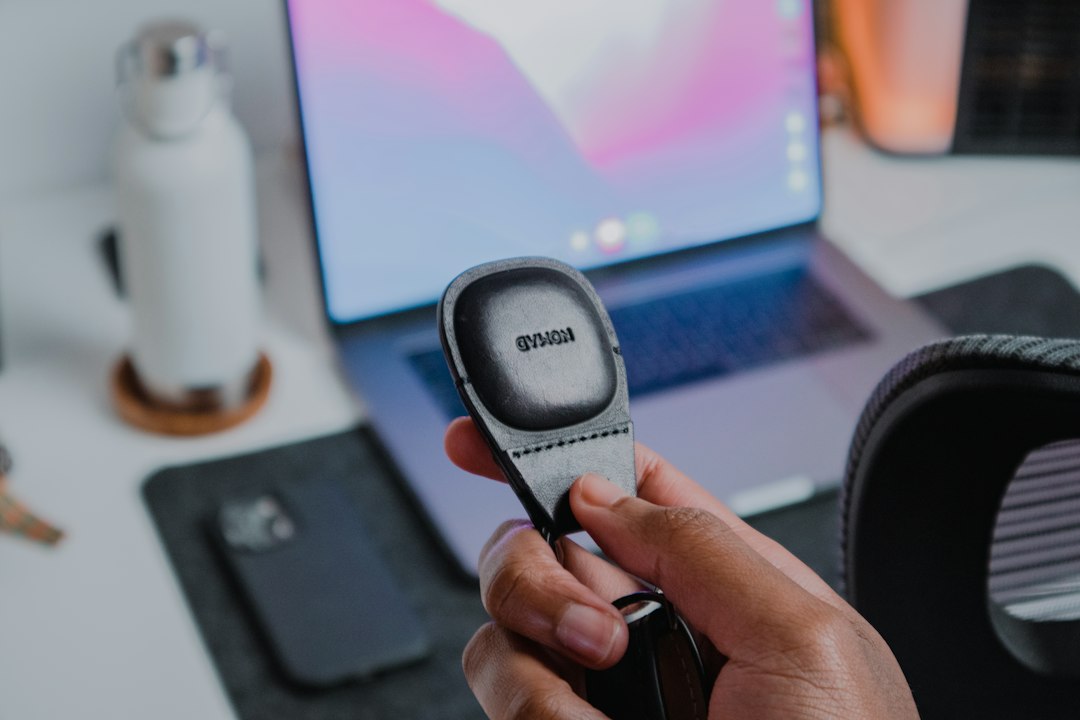
Amazon has officially entered the dedicated e-reader accessory market with the release of the Kindle Click page turner, a $35 handheld wireless controller designed to turn digital book pages via Bluetooth. Compatible with modern device generations released from 2024 onward, the peripheral signals a shift toward native software-integrated control schemes, directly addressing ergonomic demands and accessibility needs that third-party manufacturers have spent years attempting to solve through crude mechanical workarounds.
By integrating direct firmware support for external Bluetooth inputs, Amazon resolves a persistent usability pain point while expanding its high-margin hardware accessory portfolio. The move reflects broader shifts in digital reading habits, where user comfort, mounting hardware, and physical accessibility heavily influence hardware purchasing decisions.
The Evolution from Screen Clips to Native Bluetooth Protocols
For several years, e-reader enthusiasts seeking hands-free reading relied on unofficial aftermarket solutions. These third-party kits typically operated using a two-part radio-frequency system: a handheld battery-powered trigger unit and a mechanical receiver clamp attached directly to the bezel of the e-reader. The receiver employed a small capacitive pad that physically pressed against the touchscreen matrix to register a page change.
While functional, these legacy clip-on remotes introduced noticeable friction for daily users:
- Display Obstruction: Physical clamps encroached on the active E Ink screen area, frequently hiding margin lines, chapter headers, or progress percentages.
- Power Management Overhead: Users had to manage separate lithium-ion batteries and charging ports for both the transmitter trigger and the display receiver clamp.
- Mechanical Instability: Rubberized contact pads were prone to slipping, resulting in skipped taps or unintentional menu toggles during extended sessions.
The Kindle Click page turner replaces this physical tapping mechanism with native Bluetooth Low Energy (BLE) signaling. By communicating directly with the e-reader's operating system, the single handheld unit removes screen-blocking hardware entirely while providing dedicated hardware buttons for bidirectional page turns and front-light brightness adjustments.
Ergonomic Utility and Accessibility Integration
While hands-free reading accessories are often marketed toward comfortable home reading setups—such as combining a remote with a flexible tablet floor stand or desk mount—the underlying value proposition centers heavily on accessibility engineering.
Holding an e-reader continuously for multi-hour reading sessions can induce physical fatigue or aggravate micro-traumas associated with repetitive strain injuries (RSI), tendonitis, and arthritis. For individuals with upper-limb mobility limitations or compromised grip strength, tapping a fixed capacitive touchscreen requires sustained arm elevated positioning that can render standard e-readers uncomfortable or unusable.
By decoupling screen interaction from physical proximity to the display, native Bluetooth control transforms the e-reader into a flexible terminal. Users can anchor the screen on an adjustable arm at eye level while keeping their hands at a natural, supported posture under blankets or resting on armrests. Furthermore, offering hardware-level brightness control directly from the remote reduces the need to navigate complex touch menus, reducing cognitive and physical overhead during night reading.
Commercial Strategy: Add-On Peripherals versus Integrated Hardware
Dedicated physical buttons were once a defining characteristic of early dedicated e-readers, such as early Amazon models and select modern competitors. However, as the market consolidated around bezel-less touchscreens to maximize screen-to-body ratios and reduce manufacturing bills of materials (BOM), built-in tactile buttons were pushed into high-end hardware tiers.
This created a pricing dilemma for consumers. Buyers seeking dedicated physical page turners were forced to choose between premium flagship hardware costing upwards of $250 to $330 or switching to rival platforms like the Kobo Libra series, which retain physical buttons out of the box.
The Pricing Framework
- Flagship Integrated Options: High-end setups require investment in flagship screens paired with proprietary button cases, driving total hardware costs significantly higher.
- Competitive Alternatives: Rivals like Kobo offer built-in page-turn hardware around the $250 price point, capturing users who demand physical tactile response.
- Modular Accessory Approach: The $35 standalone controller allows budget and mid-tier Kindle owners to retroactively add tactile controls without replacing their underlying display hardware.
From a platform perspective, offering a $35 modular accessory is an efficient strategy for Amazon to retain users who might otherwise migrate to rival platforms for hardware buttons. It enables entry-level and mid-range devices to offer high-tier navigation functionality through a simple software-peripheral pairing.
Planned Hardware Obsolescence and System Compatibility
Despite the clear utility of the Kindle Click page turner, its rollout underscores Amazon's aggressive push toward modern hardware standard adoption. The remote's firmware support is restricted strictly to e-readers released in 2024 and 2026, leaving millions of legacy device owners without native compatibility.
This restriction stems partly from hardware limitations in older E Ink platforms. Earlier generation hardware featured older Bluetooth chipsets optimized solely for basic audio streaming to wireless headphones for audiobooks, lacking the low-latency Human Interface Device (HID) profile stack required for quick, instant-wake page navigation.
However, the commercial effect is undeniable: legacy Kindle owners who rely heavily on clip-on remotes now face a compelling upgrade path. To access clean, native remote page-turning, users must upgrade both their primary e-reader and purchase the accessory, spurring secondary hardware refresh cycles across the install base.
What to Watch in the E-Reader Peripheral Ecosystem
As the standalone e-reader market matures, peripheral innovation will play an increasingly prominent role in hardware differentiation and platform lock-in. Several key indicators will dictate how this product category evolves:
- Third-Party Bluetooth Standardization: It remains to be seen whether Amazon will open its Bluetooth remote input profile to third-party accessory makers or enforce strict proprietary pairing protocols.
- Competitor Responses: Expect brands like Kobo, Boox, and PocketBook to evaluate whether to release official first-party Bluetooth controllers or optimize their Android-based operating systems for standard presentation clickers.
- Supply Chain and Delivery Timelines: Extended shipping delays immediately following launch point to pent-up consumer demand for native remotes, suggesting that accessory bundles may become standard promotional tools for future holiday sales events.
The launch of the Kindle Click page turner confirms that physical input mechanisms remain essential to the reading experience. By leaning into native wireless protocols, e-reader manufacturers are finally replacing awkward mechanical workarounds with integrated, accessible ecosystem solutions.
Reporting reference: this briefing is TechWire’s independent analysis. Primary reporting was published by WIRED — read the source article.
Related analysis
x86 Processor Evolution: How Legacy Trade-Offs Won
Explore the x86 processor evolution, from 1970s hardware choices to modern computing compatibility, explaining little-endianness and register design.

NSF Leadership Nomination Collapses Amid Science Policy Crisis
Senate pushback on the NSF leadership nomination highlights growing friction over federal science funding and academic research oversight.

TRMNL Frame: Full Color ePaper Display Canvas Debuts
An analysis of TRMNL Frame, a 31.5-inch full color ePaper display using Spectra 6 tech, custom color engines, and in-house manufacturing.