3D Movies Smart Glasses: How Wearables Revive Stereo Cinema
Discover how 3D movies smart glasses and VR headsets solve legacy display flaws, powering a stereoscopic streaming resurgence across platform ecosystems.
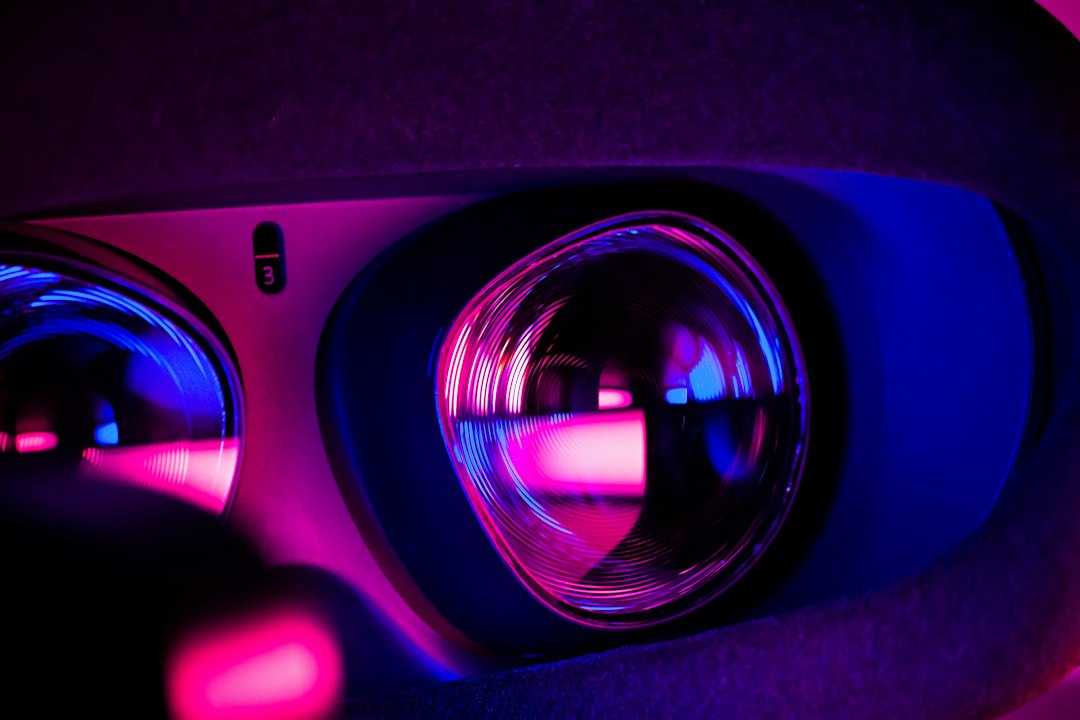
Stereoscopic cinema is undergoing a significant technological rebirth as near-eye displays replace legacy theatrical projectors and consumer television screens. By providing dedicated, high-resolution panels for each eye, modern smart glasses and virtual reality headsets eliminate the severe brightness loss and halved resolution that previously crippled three-dimensional entertainment. This hardware shift is driving major streaming platforms and media conglomerates to revitalize their stereoscopic film catalogues for a new era of personal media consumption.
Overcoming the Optical Shortcomings of Traditional Stereoscopy
For over a decade, consumer interest in three-dimensional home entertainment languished due to structural optical limitations. The original wave of consumer spatial displays relied on two primary methods: passive polarization and active shutter filtering. Both approaches forced a single display surface—whether a movie theater screen or a home television—to multiplex images for both eyes simultaneously.
Passive polarization techniques cut the vertical line resolution in half, sending odd pixel rows to one eye and even rows to the other. Active shutter systems preserved visual resolution by rapidly alternating images between the left and right eyes, but introduced noticeable flicker and reduced frame rates. Crucially, both systems imposed heavy luminance penalties, often reducing light transmission by more than 50 percent as light passed through filtered lenses. The resulting images were noticeably dim, lacking the dynamic contrast required for modern high-dynamic-range presentation.
Twin-Panel Optics and High-Density Micro-Displays
Modern head-worn display systems resolve these historical optical compromises by using isolated optical engines for each eye. Lightweight smart glasses and spatial computing headsets feature dual displays mounted directly in front of the viewer's pupils. This physical separation enables true stereoscopic rendering without requiring polarization filters or liquid-crystal shutters.
Dedicated Signal Pipelines
Through side-by-side 3D rendering modes, input signals deliver distinct, full-resolution image streams to each display panel simultaneously. Side-by-side (SBS) formats divide a video frame into two discrete horizontal or vertical halves, directing each half to its corresponding screen.
Micro-OLED Pixel Density and Luminance
Advanced micro-OLED panels deliver exceptional pixel densities within tiny form factors. Because each display operates independently at full brightness, viewers experience true 1080p or 4K resolution per eye without the severe attenuation that plagued earlier theatrical glasses. The result is pure stereoscopic depth with uncompromised luminance and rich color contrast.
Platform Wars and the Stereoscopic Streaming Resurgence
The hardware revolution has triggered a corresponding shift in media distribution formats. Physical media formats for three-dimensional content have remained static for years. The legacy 3D Blu-ray standard was never updated to support 4K resolution, High Dynamic Range (HDR), or high frame rate (HFR) playback, locking physical media collectors into 1080p standard dynamic range files encoded at 24 frames per second.
Streaming networks and device makers are stepping in to fill this technological vacuum by creating cloud-based digital delivery networks for stereoscopic video:
- High-Bitrate Spatial Encoding: Platforms are utilizing high-efficiency video coding (HEVC) variants to deliver dual-stream 4K HDR master files directly to client devices.
- Subscription Ecosystem Integration: Major media applications—including Disney+, Paramount+, HBO, and Peacock—are incorporating native 3D hubs into their spatial interfaces, offering stereoscopic content to existing subscriber bases.
- Hardware Accessibility: While initial spatial media capabilities debuted on premium headsets costing thousands of dollars, device manufacturers are rapidly migrating stereoscopic playback features to consumer-tier hardware priced under $600.
| Display Generation | Image Resolution | Light Loss | Primary Delivery Format |
|---|---|---|---|
| Passive 3D TV / Theater | Halved Vertical Lines | 50% - 60% Reduction | Disc / Projector |
| Active Shutter 3D | Full 1080p (Sequential) | High (Flicker Effect) | Physical 3D Blu-ray |
| Spatial Wearables | Full 1080p / 4K Per Eye | Zero Lens Attenuation | Cloud Spatial Streams |
Processing Overhead, Formats, and Archival Challenges
Despite rapid improvements in wearable hardware and digital catalog availability, significant technical friction remains for home cinema enthusiasts seeking high-fidelity spatial experiences. Ripping legacy physical discs into spatial formats compatible with external video glasses requires substantial processing power and storage space.
To preserve historical stereoscopic physical media, archivists must extract Multi-view Video Coding (MVC) streams from physical Blu-rays and transcode them into full side-by-side containers (such as 3840 x 1080 video files). This process involves intensive video encoding workflows that scale file sizes up to 20 gigabytes or more per feature film. Playing these custom files on portable media players or handheld consoles connected to video glasses requires third-party media players capable of toggling stereoscopic display outputs on the fly.
Furthermore, high-bitrate dual-stream spatial video playback introduces thermal and battery demands on mobile hardware. Maintaining high clock speeds on system hardware while rendering two simultaneous 1080p or 4K video feeds requires careful thermal management to preserve device battery life throughout a standard two-hour feature film.
What to Watch in the Spatial Cinema Landscape
As stereoscopic hardware matures, several key technical and commercial trends will determine whether spatial video streaming achieves long-term market sustainability:
- Dual-Camera Production Pipelines: Watch whether major Hollywood studios invest in native dual-lens camera setups during principal photography, moving away from post-production two-dimensional to three-dimensional digital conversions.
- Cross-Platform Digital Rights Standards: Pay attention to whether streaming services adopt unified digital rights management (DRM) standards for spatial video, allowing purchased 3D titles to transition seamlessly across different hardware ecosystems.
- Optics Form-Factor Reduction: Monitor advancements in optical wave-guides and micro-displays that reduce the weight of spatial video glasses, closing the gap between bulky head-mounted displays and everyday eyewear.
Reporting reference: this briefing is TechWire’s independent analysis. Primary reporting was published by The Verge — read the source article.
Related analysis
How Powered Exoskeleton Technology Is Transforming Labor
Discover how powered exoskeleton technology enhances physical labor across industrial, rescue, and military sectors while driving battery innovations.

Apple Wallet Pass Designer Streamlines Custom Pass Development
Apple Wallet Pass Designer gives developers native visual editing, semantic data integration, and real-time previews across iOS and watchOS.

Google AI Search Intent Failures Highlight Search Decay
Analyze how Google AI search intent failures and unsolicited empathetic AI responses are altering information retrieval and user trust in web search.